How Can I Afford a Walk-In Tub? Ways To Make Safe Bathing Affordable

In this blog:
- Consumer prices climbed 2.1 percent in 2025, but other cost-saving paths can still make a walk-in tub attainable.
- Eligible veterans may receive up to $7,729 for home adaptations through Veterans Affairs Canada, and Safe Step offers a military discount of up to $500 off.
- The federal Home Accessibility Tax Credit can return up to $2,800 on $20,000 of eligible expenses in 2026, on top of provincial programs.
- Safe Step’s Blue Rewards Program offers $750 off per person, up to $1,500 per household, for qualifying health conditions, on top of financing plans.
- Looking for cost and pricing details of a walk-in tub or shower? See our walk-in tub cost guide and walk-in shower cost guide.
For seniors or people with mobility limitations, a walk-in tub is a proven solution. The good news? Through government programs, tax credits, financing and other cost-effective options, you can invest in long-term safety and comfort without straining your budget.
Why Waiting Can Cost More
Consumer prices climbed 2.1 percent in 2025 and are nearly 20 percent higher than five years ago. For people on fixed incomes, every increase makes it harder to stretch dollars. Though groceries and shelter cost more, bathroom safety is worth the investment.
The bathroom is one of the riskiest places in the home for seniors. Canada recorded more than 81,000 fall-related hospitalizations among adults 65 and older in 2023/24 (excluding Quebec). A single fall can mean long recovery times and lasting health consequences, making preventive safety measures a smart investment. Upgrades like grab bars, walk-in tubs and better lighting can reduce risks, provide peace of mind and ultimately save money.
Supports Aging in Place
Making a one-time investment in a walk-in tub can also save you money as your mobility needs change. Private home care can cost anywhere from $19 to $75 per hour depending on the type of care, and the average rent for a standard retirement residence space was $3,075 a month in CMHC’s 2021 survey.
Making home upgrades that facilitate aging in place offers a strong return on investment and lets you stay in your forever home for as long as possible.
“Although not cheap, I believe the investment in Safe Step is truly worth the money because of the benefits I’ve experienced, particularly at my age of 83,” said Kenneth H., a satisfied Safe Step customer.
Understanding How To Afford a Walk-In Tub
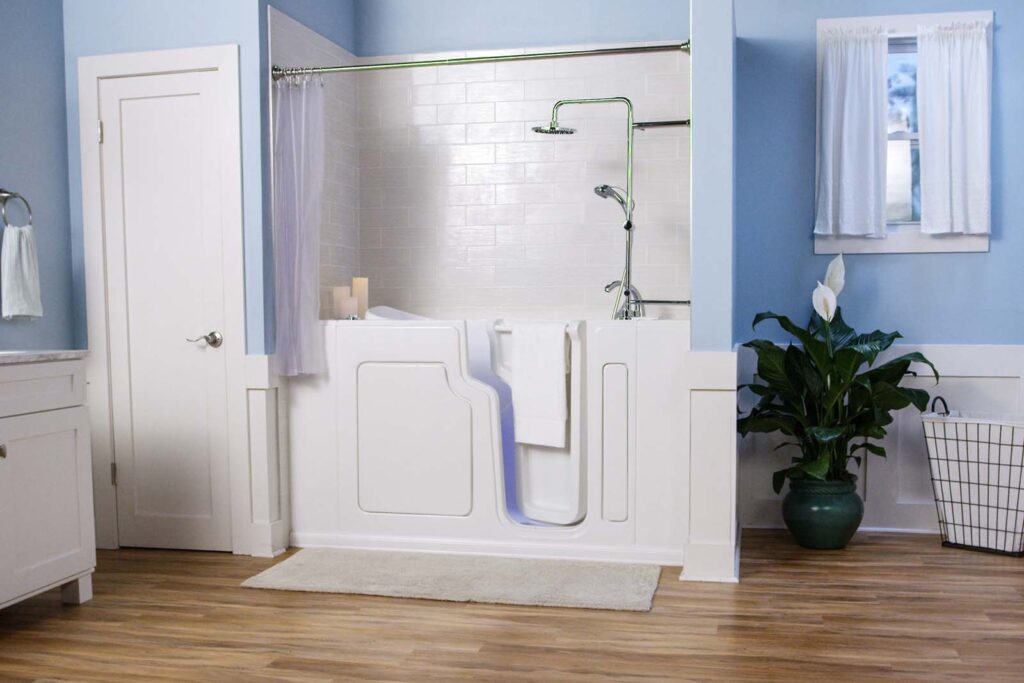
A walk-in tub provides safe, reliable access to bathing without the hazards of a traditional tub. Even with the rising cost of living, Safe Step is committed to ensuring this home upgrade remains attainable.
The average cost for a Safe Step Walk-In Tub varies depending on the model you get and the features you choose. Our standard walk-in tub has a low step-in, watertight door seal and built-in seat. A premium tub also includes a bidet and therapeutic features, like aromatherapy and color therapy. Walk-in tub installation is included in your quote, though added flooring reinforcement or plumbing adjustments may incur extra charges.
A Safe Step design specialist will partner with you to find a solution that fits your budget. Fortunately, there are at least seven ways to make the cost of your walk-in tub accessible.
1. Provincial Health Coverage and Insurance
Provincial and territorial health plans cover medically necessary hospital and physician services, but a walk-in tub is typically treated as a home renovation rather than a covered medical device. Some provinces offer home and community care or assistive-device programs, so ask your family doctor or local home care office what’s available where you live. If you have extended health benefits through a former employer or private plan, confirm what they cover and ask about any home-safety benefits.
2. Grants and Assistance Programs for Walk-In Tubs
Several programs help facilitate aging in place, depending on military service, income and province.
Veterans Affairs Canada
The Veterans Independence Program can fund home adaptations such as shower seats, ramps and widened doorways (up to $7,729) for eligible veterans, such as those receiving a disability benefit or the War Veterans Allowance. Confirm approved work with VAC before you purchase. Safe Step also offers special pricing (up to $500 off) for veterans.
Provincial Programs
Many provinces offer grants or low-interest loans for low-income seniors. Examples include British Columbia’s Rebate for Accessible Home Adaptations (RAHA), Ontario Renovates and Alberta’s Seniors Home Adaptation and Repair Program (SHARP). Contact your provincial housing agency for current limits.
Federal and Non-Profit Help
CMHC’s Home Adaptations for Seniors’ Independence program supports First Nations members living on reserve. Ontario residents can also look into March of Dimes Canada’s Home and Vehicle Modification Program. Dialing 211 can also connect you to local seniors’ services.
3. Financing and Payment Plans
If you’d rather spread the cost over time, financing is often an easy option. Safe Step offers payment plans through third-party lenders, including promotional options with no interest if paid in full within the promotional period (subject to credit approval).
When you compare any walk-in tub financing, ask about the APR after any promo period, the monthly payment, the term length and whether there’s a prepayment penalty. Your Safe Step design specialist can walk you through the current options during your free consultation.
4. Potential Tax Credits
Federal
The Home Accessibility Tax Credit (HATC) covers renovations that help seniors 65+ or Canadians eligible for the Disability Tax Credit stay safe at home, and walk-in bathtubs are listed as eligible. You can claim up to $20,000 in expenses per year, worth up to $2,800 in 2026, on line 31285 of your return. Keep your receipts.
Provincial
Some provinces add their own. British Columbia offers a refundable credit of 10 percent on up to $10,000 (maximum $1,000), and New Brunswick offers a refundable Seniors’ Home Renovation Tax Credit.
Medical Expenses
If the tub is medically necessary for someone with a severe and prolonged impairment, it may also qualify under the medical expense tax credit. Rules on claiming the same expense under both credits are changing, so consult your doctor and a tax professional.

5. Home Equity Options
Many Canadian seniors have built up equity in their homes. If you’re considering tapping it, consult your financial advisor.
Home Equity Line of Credit or Loan
A home equity line of credit (HELOC) works like a credit card. It has a variable interest rate, and you can borrow as needed and make interest-only or low payments. With a home equity loan, you borrow a lump sum for your home upgrade with a fixed monthly payment.
Reverse Mortgage
A reverse mortgage can provide supplemental income in retirement. Instead of making monthly payments to a lender like a traditional mortgage, the lender pays you, using the equity you’ve built in your home. You are free to use these funds for living expenses, medical bills, home improvements or anything else.
6. Retirement Savings and Investments
You can withdraw from an RRSP or RRIF to pay for a walk-in tub, but withdrawals are added to your taxable income, so talk to a financial advisor first. TFSA withdrawals are tax-free and don’t affect your income-tested benefits.
7. Discounts and Rebates
During your sales consultation, ask your walk-in tub provider if they offer any discounts to offset the cost of your investment. Safe Step’s Blue Rewards Program offers $750 off per person for your walk-in tub or shower. If you suffer from arthritis, nerve problems, diabetes, sciatica or a variety of other health issues, you may qualify for up to a $750 rebate or $1,500 per household. We also offer senior discounts, veteran discounts and more.

Making an Affordable Walk-In Tub a Reality with Safe Step
Safe Step has helped countless families experience safer bathing solutions. Our design specialists can discuss your options to make your walk-in tub affordable, and you can see full walk-in tub pricing before you decide.
Get started to connect with the Safe Step team to reclaim your independence and enhance your daily routine.
Our Best Offer Ever Is Back!
$2,000 Off Your Walk-In Tub
+ Free Comfort-Height Toilet*
Frequently Asked Questions
Yes. A variety of government grants and waiver programs may help cover walk-in tubs, including USDA Section 504, Medicaid HCBS and VA HISA, as well as local and nonprofit assistance programs.
A HISA grant is a VA grant for medically necessary bathroom modifications, including roll-in showers and non-jetted walk-in tubs.
Yes, the VA offers grants through HISA/SAH/SHA for eligible veterans to provide assistance with the cost of a walk-in shower.
Third-party financing and payment plans are available, sometimes with no-interest promotional periods.
Not typically. Various grants from the VA, USDA, Medicaid and other discounts can lower your contribution amount.


