Arthritis Management Resource Guide

"*" indicates required fields
What Most People Don’t Know About Arthritis
Arthritis can turn simple routines, like cooking dinner or bathing, into painful challenges. Arthritis-friendly products, like a Safe Step Walk-In Tub, can help improve safety and comfort at home.
Learn about the different types, the causes and symptoms and helpful ways you can manage arthritis in this guide.

What Is Arthritis?
Arthritis isn’t a single disease—it’s a term for more than 100 conditions that cause pain and inflammation in a joint. It’s Canada’s most prevalent chronic health condition, affecting one in five adults and many children. Let’s dive into a few of the most common types of arthritis.
Osteoarthritis, also known as “wear and tear” arthritis, is the most common type of arthritis. It is a degenerative joint disease that occurs when the cartilage that cushions and protects the ends of your bones wears away over time. The chronic condition affects mostly middle-aged and older adults in their hands, hips and knees.
Rheumatoid Arthritis is an autoimmune disease that causes chronic inflammation in your joints and organs. Your immune system mistakenly attacks your healthy joint tissue, leading to swelling and pain at the site. It usually starts to show up between the ages of 30 and 60, but anyone can develop rheumatoid arthritis.
Psoriatic Arthritis is an inflammatory autoimmune joint disease that mainly affects people with psoriasis, a chronic skin condition. When symptoms flare up, you may notice a “sausage-like” swelling in your fingers and toes, as well as pitted or misshapen fingernails.
Juvenile arthritis is a type of arthritis affecting children under the age of 16. There are many types of juvenile arthritis, the most common being juvenile idiopathic arthritis (JIA), which causes inflammation, stiffness, swelling and pain in one or several joints. JIA is an autoimmune disease and can cause secondary symptoms such as blurry vision and eye inflammation, rashes, fever and fatigue.

What Causes Arthritis?
There are many reasons you may develop arthritis. Some joints naturally wear down as you age and can become swollen after lifelong use. Others may become inflamed due to an autoimmune disease or other health conditions.
Environmental factors and lifestyle choices, such as smoking, obesity or a past joint injury, can also play a role.
At What Age Does Arthritis Begin?
Arthritis symptoms start to appear at different times depending on what type you have and what’s causing it. Generally, osteoarthritis shows up in adults over 50, while rheumatoid arthritis tends to start between ages 30 and 60.
Other types that have a clearer cause typically begin closer to that specific trigger.

What Are the Symptoms of Arthritis?
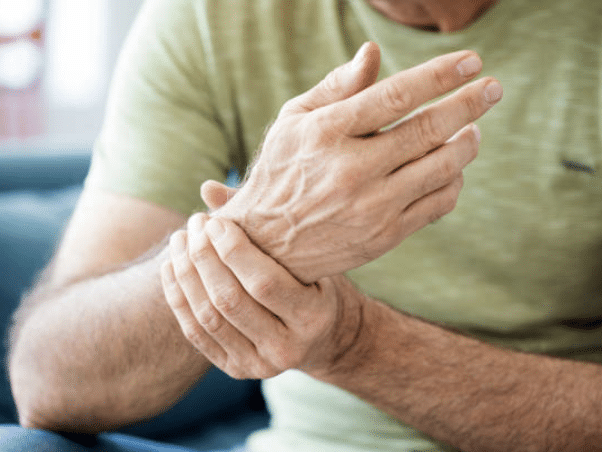
Arthritis symptoms vary depending on the type and severity of the condition. Common symptoms include:
- Joint pain
- Stiffness or reduced range of motion
- Swelling
- Tenderness
- Skin discoloration
- Grating sensation
- Bone spurs
When To See a Doctor About Symptoms
It’s important to diagnose and treat arthritis as soon as you notice signs in order to prevent long-term joint damage. See your doctor if you experience ongoing, persistent joint pain, stiffness, reduced range of motion and swelling that won’t go away, worsen over time or interfere with daily activities.
Sudden weight loss, fever and fatigue accompanied by joint pain can also be a sign of inflammatory conditions such as rheumatoid arthritis.


How Do Doctors Test for Arthritis?
Depending on your symptoms and medical history, doctors will perform a range of tests to determine if you have arthritis and pinpoint which type.
Tests include a physical exam of your range of motion and joint health, imaging (X-rays, MRIs, ultrasounds) and blood work to spot markers of inflammation.
How To Manage and Treat Arthritis
The primary goal of arthritis treatment is to alleviate symptoms and enhance joint function. You may need to experiment with various treatments or a combination of strategies to identify the most effective approach for your specific needs. These management solutions may involve medication, physical therapy and lifestyle modifications.
According to the Arthritis Society Canada, eating anti-inflammatory foods can help alleviate pain, morning stiffness and inflammation while improving overall health. Studies suggest eating a diet rich in antioxidants and omega-3 fatty acids gives your body the support it needs to ease symptoms.
One example is the Mediterranean-style diet—eat leafy greens, fish, nuts and berries, olive oil, seeds and beans, while avoiding highly processed foods, saturated fats and excessive sugar. In general, it’s recommended you make specific dietary modifications depending on your type of arthritis.
Stay active regularly to keep your body limber, reduce stiffness, build muscle and joint flexibility and ease pain over time. Look to low-impact activities like walking, yoga, swimming, tai chi and cycling. Talk with a physical therapist, personal trainer or primary care physician if you have specific questions and concerns.
Always consult with your primary care physician when it comes to medication, as treatment is highly individualized. Common medications that may help alleviate arthritis symptoms include NSAIDs like ibuprofen, OTC anti-inflammatory creams, corticosteroids and DMARDs (disease-modifying antirheumatic drugs) designed to treat inflammatory forms like rheumatoid arthritis.
Alleviate pain, improve mobility and find full-body relaxation with massage therapy, warm baths and hydrotherapy, acupuncture, meditation and deep breathing. Herbal supplements such as turmeric and ginger can also help reduce inflammation, especially in combination with traditional medical treatments, diet and exercise.
Research is ongoing into the connection between weather and joint pain. Weather changes may have a noticeable effect on arthritis symptoms, specifically, elevated humidity and sudden changes or lowering of barometric pressure, which can irritate nerves in joints. Cold temperatures may also increase joint stiffness and discomfort, though evidence is conflicting.
Daily Life With Arthritis
With arthritis, everyday tasks can become more physically demanding, time-consuming or even painful. Over time, this can impact confidence and independence at home. Many people experience:
- Difficulty standing for long periods
- Trouble gripping (faucets, handles)
- Fatigue from simple tasks
- Increased fall risk, especially in the bathroom
Safe Step has been helping people with arthritis and other mobility limitations enjoy a safer daily routine.

Simple Tips for an Arthritis-Friendly Home
Managing arthritis at home starts with having a supportive routine and setup in rooms like the bathroom, bedroom and kitchen.
Keep Everyday Items Within Reach
Store frequently-used items between waist and shoulder height. This reduces the need to bend and stretch to ease joint strain.
Enhance Seating Options
Standing for long periods can be painful with arthritis. Add seating for tasks like bathing and cooking. A motorized lift chair makes sitting and standing easier.
Invest in a Stairlift
Falls cause 95% of hip fractures in Canada. If arthritis is limiting mobility, a stairlift can prevent serious injury.
Improve Lighting
Add nightlights and brighter bulbs in existing light fixtures to limit fall risk.
Swap Knobs for Levers
Lever-style faucets and door handles limit the amount of gripping and turning required.
Add Grab Bars and Bed Rails
Grab bars and bed rails give you something stable to hold on to when you need a boost.
Install a Comfort-Height Toilet
A comfort-height toilet sits a few inches higher than a standard toilet, so your joints stay in a more natural position.
Use Arthritis-Friendly Tools
Reachers for picking things up, easy-grip kitchen tools and long-handled sponges for bathing can make daily tasks easier.
Choose a Walk-In Shower or Tub
Many falls at home happen in the bathroom. A low-threshold entry walk-in shower or tub can make bathing safer and easier.
Bathing Safely With Arthritis
At least 37% of falls happen while bathing or showering. For people with arthritis, stiff joints, reduced mobility and decreased grip strength can make bathing even more difficult. Taking extra care in the bathroom is essential to help prevent slips, reduce strain on joints and maintain confidence in your daily routine.

Add Safety Features for Stability and Support
Strategically placed grab bars and a shower chair to prevent fatigue are crucial. Non-slip mats and reducing clutter are also helpful steps to limit your fall risk.
Upgrade To a Low-Entry Bathing Solution
Many injuries happen while bathing or stepping out of the tub. A walk-in tub or shower makes bathing easier by eliminating the need to step over a high tub wall, reducing strain on joints. Built-in seating and handheld shower features allow for a more comfortable bathing experience.


Support Joint Relief With Therapeutic Soaking
A Safe Step Walk-In Tub also offers numerous therapeutic benefits for people with arthritis. Its air therapy and hydrotherapy jets help soothe achy joints, while red chromotherapy light can reduce inflammation.
For more tips on bath safety, check out our Bath Safety Resource Guide.
Our Best Offer Ever Is Back!
$2,000 Off Your Walk-In Tub
+ Free Comfort-Height Toilet*