The 5 Most Overlooked Bath Safety Risks (and How To Fix Them in a Weekend)
In this blog:
- Worried about bathroom falls? At least 14 million seniors take a tumble each year, and approximately eight out of 10 of those falls happen in the bathroom.
- Five often-overlooked culprits—loose toilets, slow drains, mold or mildew buildup, unpredictable water temperatures and high tub walls—can each be fixed over a single weekend.
- Simple fixes include tightening toilet flange bolts, clearing drains, setting your water heater to 120°F, and, for the step-in height issue, upgrading to a walk-in tub or shower.
Nearly one-third of bathroom injuries happen while bathing or stepping out of the tub. A small slip can shake your confidence, impact your independence and affect your long-term health. There are simple steps you can take to make your bathroom safer. Learn the five most overlooked bath safety risks and how you can fix them in a weekend.



Are You Worried About Falls at Home? You’re Not Alone
At least 14 million seniors fall each year, and many falls result in serious injuries or worse. Falls are the leading cause of death among the elderly. These are frightening statistics if you’re worried about your own balance or the safety of a loved one. You’re not imagining the concern. Falls are common, and it’s okay to take them seriously.
As we age, our bodies naturally change, and everyday movements can become more difficult. It’s important to take proactive steps to stay healthy. Many older adults are more likely to fall because of:
- Poor balance
- Muscle weakness
- Medication side effects
- Vision problems
- Home hazards, like area rugs
Strength training and regular doctor visits can put you on a path to long-term health, but they aren’t fix-alls. Ensuring peace of mind requires future-proofing your home to eliminate safety issues for an added layer of protection.
“It’s time to stop falls in their tracks so we can save lives and money. Fall prevention requires a multi-disciplinary approach.”
– Ramsey Alwin, National Council on Aging, President and Chief Executive
Fall Prevention Starts in the Bathroom
Approximately eight out of 10 falls occur in the bathroom, making it one of the highest-risk areas for injury. When every shower or bath feels risky, it can make bathing a chore. Ensuring that daily routines are accessible and safe is a critical component of fall prevention and successfully aging in place.
In this video, geriatric physician Dr. Howard Russell explains why bathroom safety matters and what you can do today to reduce your risk.

Removing bath mats, reducing clutter and adding a grab bar are great first steps. However, there are other, less obvious risks throughout your bathroom, and they should be fixed, too. These simple upgrades can be tackled in one weekend and make a big impact. Let’s examine them in some more detail.
1. Loose Toilet
Over time, the bolts holding your toilet in place and the seat can loosen, causing it to wobble. When a toilet shifts even a little, it can throw off your balance when you sit, stand or reach for the toilet paper.
How to Fix
To avoid a fall and feel more secure, tighten the flange bolts at the base of your toilet. If the problem persists, a plumber may need to repair the flange or replace your toilet. Choose a comfort-height or chair-height toilet for easier accessibility.
2. Slow Drains
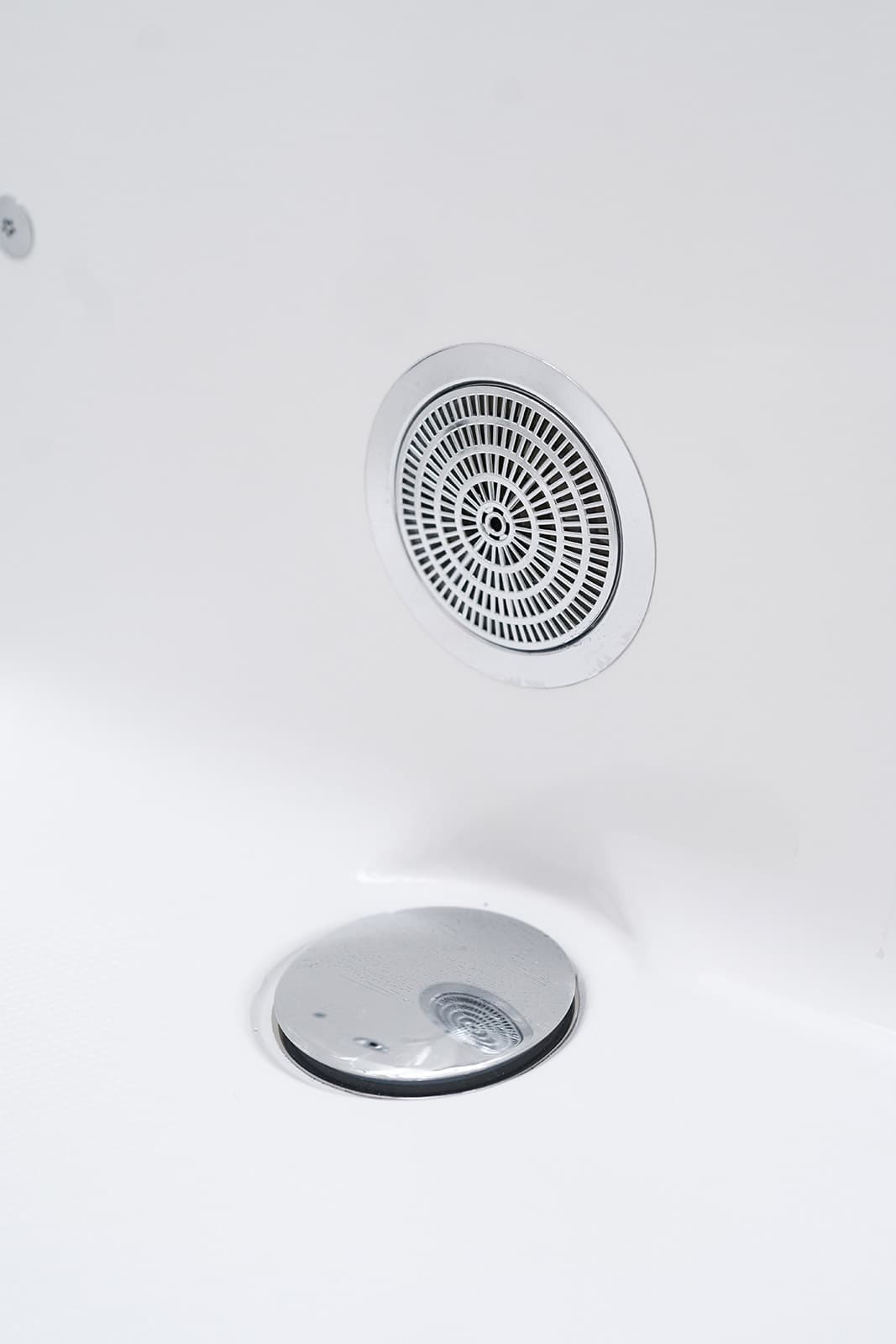
Standing water from a slow drain can be slippery. A buildup of dirt and grime in your drain can hamper it from emptying properly.
How to Fix
The first step to fix a clogged drain is to remove the stopper and clean out any visible debris. Flush the drain with boiling water, followed by a mixture of baking soda and vinegar to remove stubborn grime. If this doesn’t fix the issue, it may be necessary to use a plunger, drain snake or chemical drain cleaner.
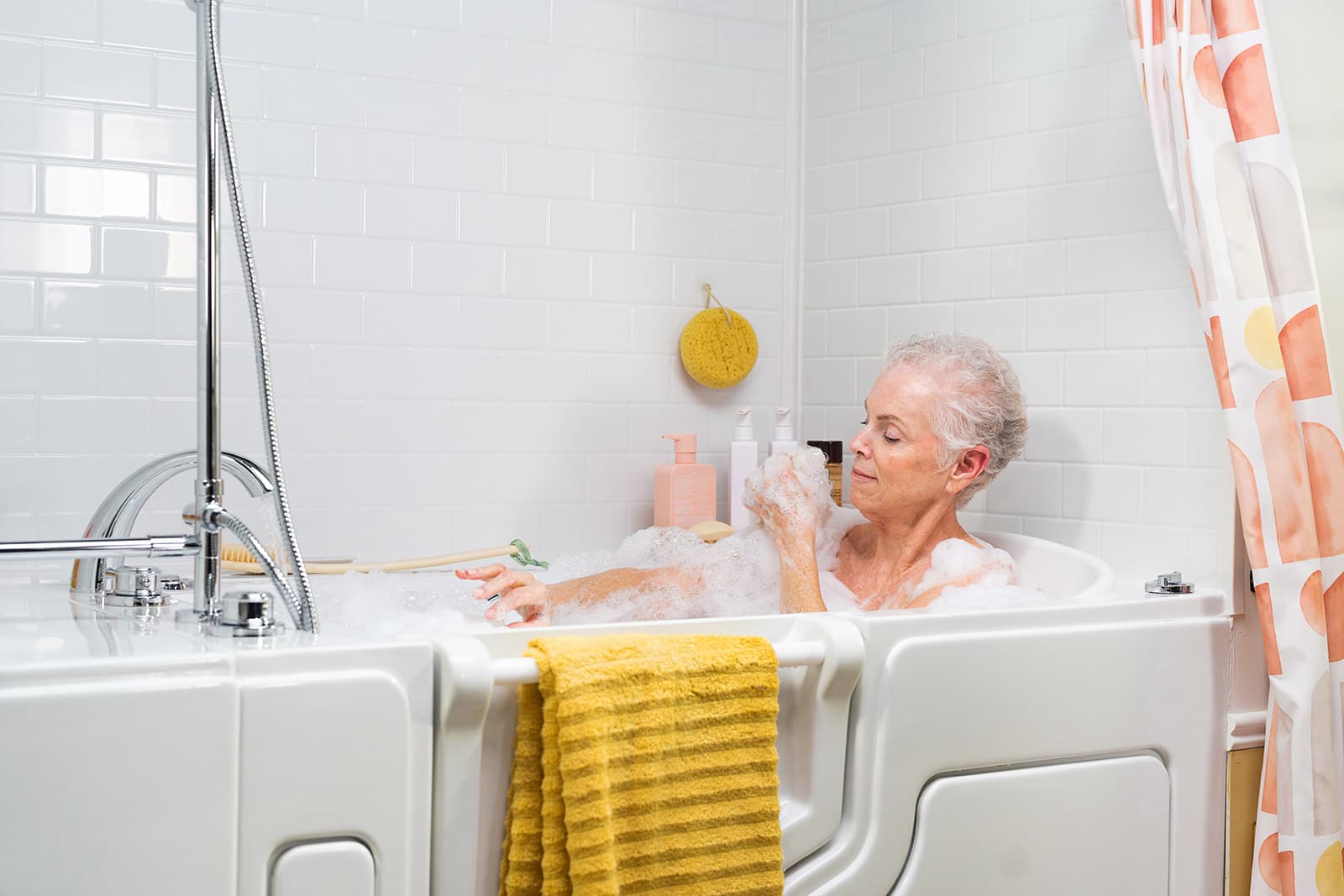
A walk-in tub often features a quick-drain system designed to empty efficiently so you’re not left waiting for the water to drain and worrying about slipping.
3. Excess Mold or Mildew
Mold and mildew are slippery and increase the risk of falls. They thrive in warm, humid spaces, making bathrooms a prime spot for growth. Sometimes mold, mildew and grime are not visible to the naked eye, but they still pose risks.
How to Fix
To prevent an overgrowth of mold, clean your bathroom every week. It doesn’t have to be perfect; a regular effort goes a long way. Make it a priority to turn on the bathroom fan when bathing. The fan’s blades draw moist air out of the room and vent it outside.
If you’re thinking of replacing your tub, choose one with a mold-resistant gel coating, or a shower with acrylic walls for easy maintenance.
4. Unpredictable Water Temperatures
As we grow older, our skin becomes thinner and more sensitive to heat. Seniors should take extra care with water temperature to avoid burns, and prevention starts with consistency.
How to Fix
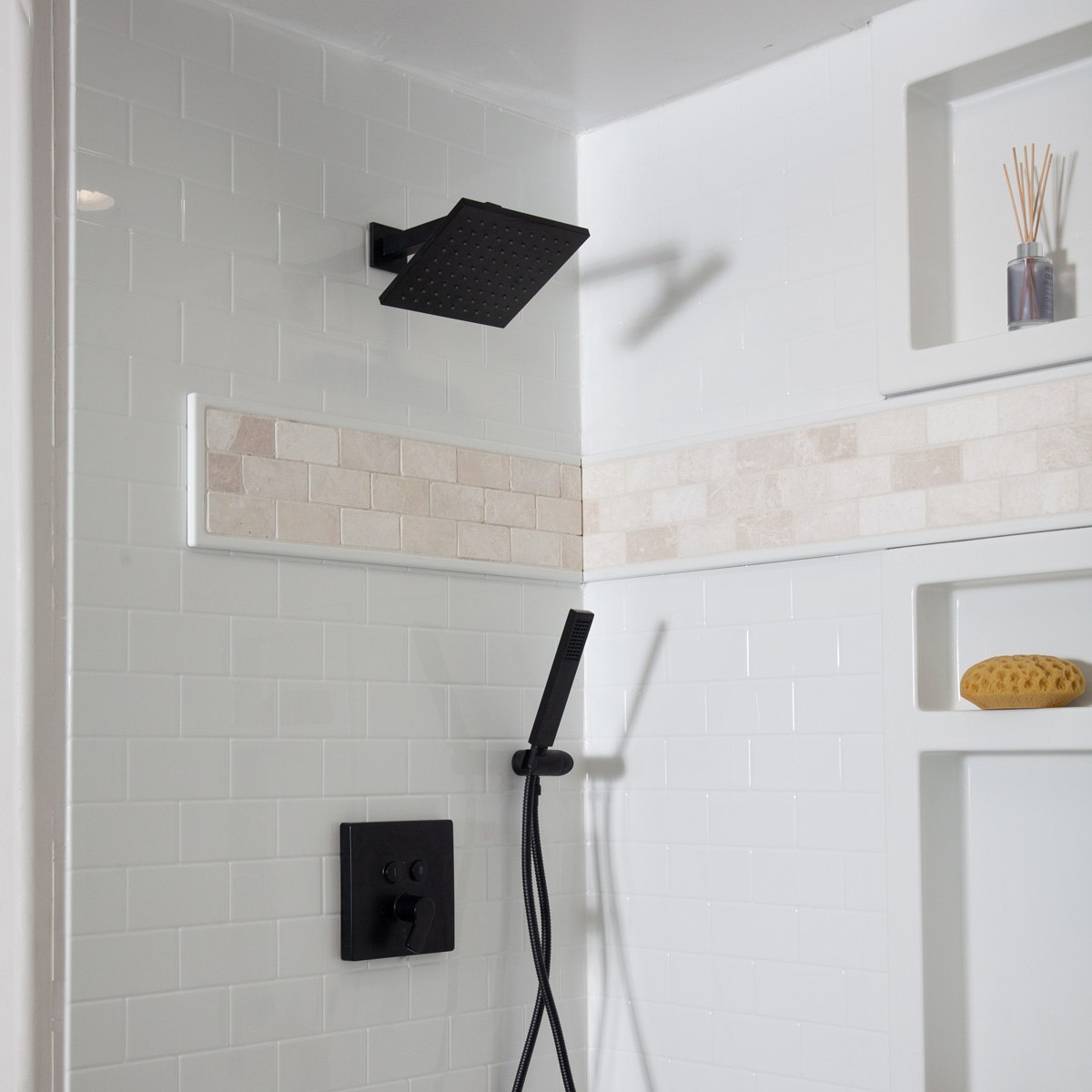
Set your water heater to 120°F to prevent temperature spikes. Installing an anti-scald mixing valve or pressure-balancing shower control can also help.
5. High Step-in Height
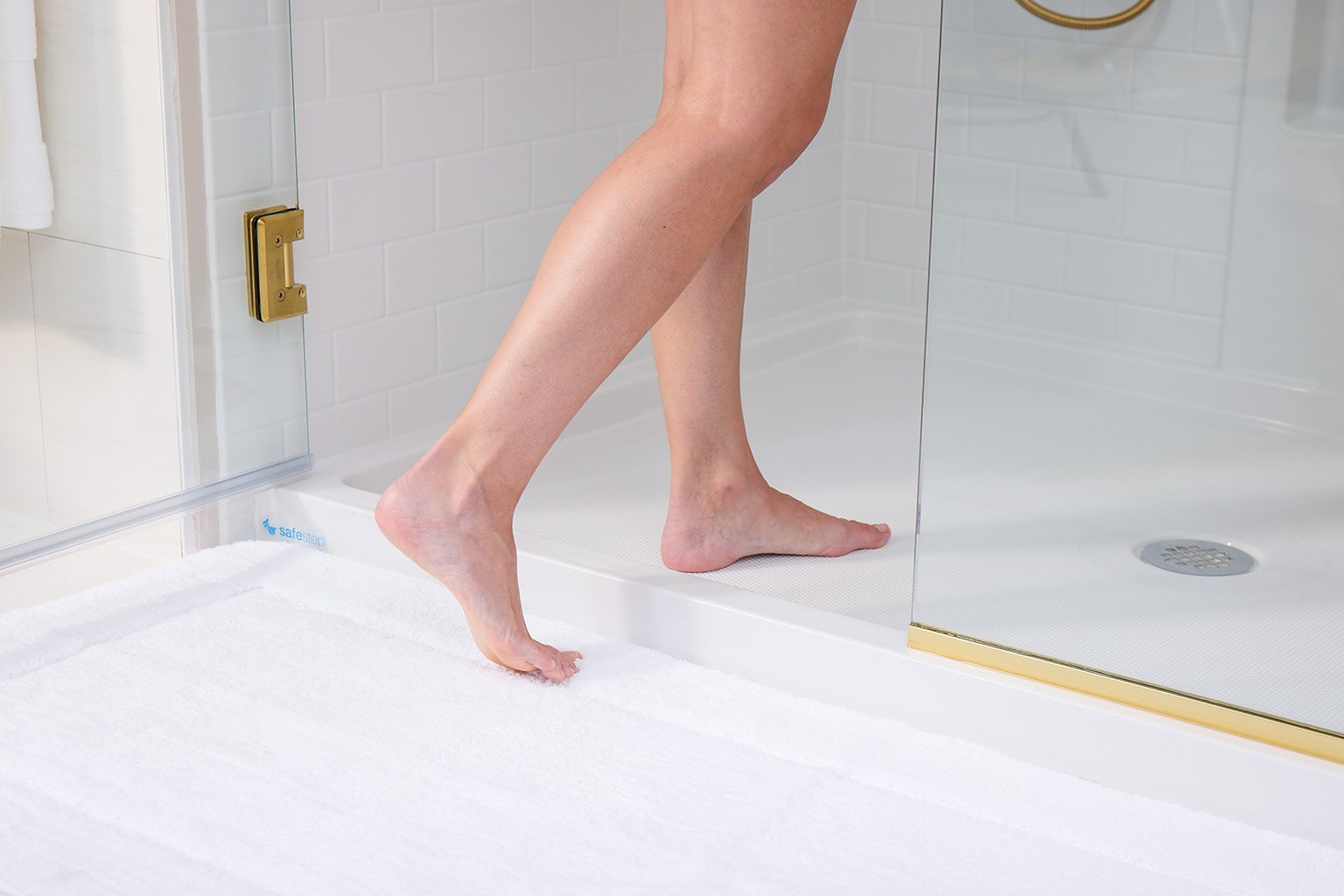
Many seniors lose their balance when stepping in or out of the shower. Traditional tub-shower combos have a high ledge to contain water while bathing, but this can be a serious concern for seniors or others with mobility limitations. The step can make you hesitate or worry about falling.
How to Fix
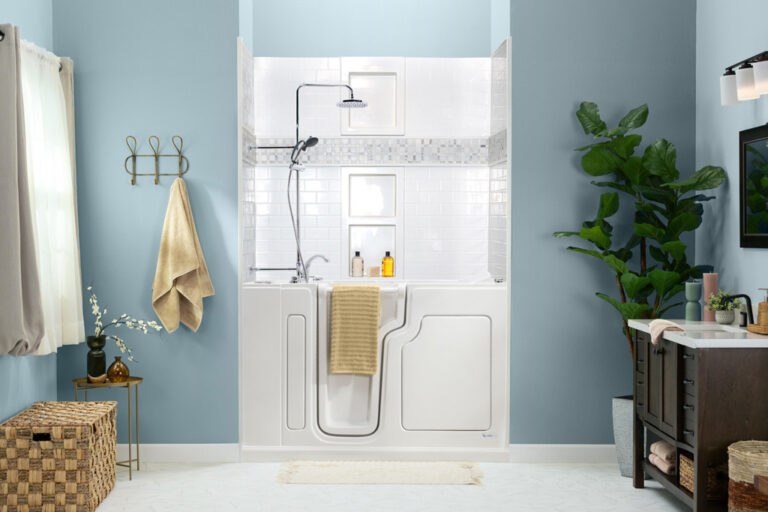
Making a one-time investment in an easy-entry walk-in tub or shower will turn a stressful part of your day into a simple routine. Safe Step’s professional team of local installers completes 95% of their upgrades in as little as one day, making it a hassle-free improvement in bath safety.
Find Your Safe Bathing Match
Complete our 5-question quiz to be paired with the best tub or shower option for you!
Ready for a Safer Bathroom?
You don’t have to overhaul your whole home to feel safer. These five bathroom safety improvements can be accomplished in a single weekend. Safe Step delivers a stress-free walk-in tub or shower experience. For nearly 20 years, we’ve been helping thousands of homeowners enjoy safer, more comfortable daily routines.
Our top-selling walk-in tubs and showers are designed to fit the footprint of your existing setups. We’ll handle the installation from start to finish so you can put your feet up.
Schedule a free consultation to meet with a design specialist from our team. We’ll listen to your needs and help find the right solution for your household.