Aging in Place Guide
A home accessibility resource to support independent living.
"*" indicates required fields
Aging in Place Starts With a Safer Home
Want to stay in the home you love as you age? Aging in place requires creating a home that continues to support you safely and comfortably as your needs change.
One in four seniors falls each year, but simple changes can help reduce the risk. Whether you’re planning for yourself or helping a loved one, learn ways to improve home safety, make accessibility upgrades, understand costs and find financial assistance.

Why Home Safety Matters

Your home is the place where you make cherished memories and build fond traditions. As your needs change, planning for the future can allow you to stay independent and continue to follow the everyday routines and activities you enjoy.
According to the U.S. Centers for Disease Control and Prevention (CDC), falls are the leading cause of injury for the elderly. Safety improvements, from better lighting and removing trip hazards to adding grab bars and other accessibility features, can help reduce fall risks throughout the home.
Match Home Updates To Your Needs
Aging in place doesn’t have to mean remodeling your entire home at once. Start with simple fixes and potential safety concerns, then make additional changes, depending on your needs. Which scenario describes you?
If you’re living independently but want to make your home safer. Start with simple changes:
- Improving lighting
- Removing trip hazards
- Installing grab bars
- Choosing easy-grip fixtures
- Prioritizing bathroom safety
If balancing, bathing, climbing stairs or getting around the home is becoming more difficult, make a plan to prioritize:
- Installing a walk-in tub or shower
- Adding bathroom seating
- Improving stair safety with slip-resistant treads
- Raising toilet height
- Adding fall-detection technology
If you use a wheelchair or require substantial mobility assistance, focus on making the home immediately accessible by:
- Adding ramps
- Installing a walk-in tub or shower
- Widening doorways
- Adding a stairlift
- Getting a professional home assessment

What Are the Must-Have Home Modifications for Aging in Place?
Typically, the home modifications you make depend on your household’s individual mobility needs. But there are must-have upgrades that every senior should consider if they plan to remain in their forever home.
Make everyday activities safer and easier with:
- Grab bars
- Low-threshold bathing solutions
- Improved lighting
- Clear walkways
- Easy-to-use fixtures
How To Modify a Home, Room-by-Room Guide
As you begin your aging in place journey, a room-by-room assessment helps you cover all the bases.

Bathroom
Improve bathing access and reduce hazards with features such as grab bars, low-threshold bathing solutions, seating and slip-resistant surfaces.
Read Bath Safety Guide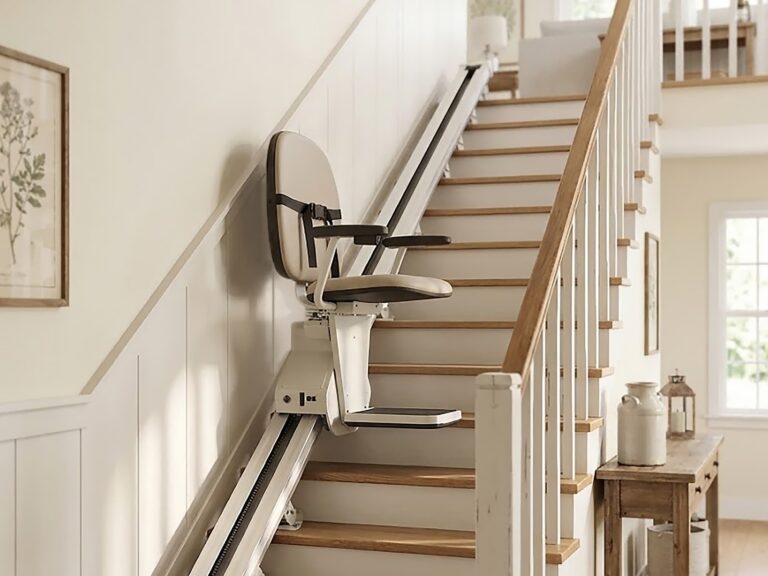
Stairs and Hallways
Remove clutter and add extra handrails and lighting. Explore a stairlift for moving between floors.
Explore Stairlifts
Entryways
Consider brighter lighting, extra handrails, and ramps or a stairlift, to make entering and leaving the home easier.
See Outdoor Stairlifts
Bedroom
Add motion-sensor nightlights, especially along the path between the bedroom and bathroom.
Shop Safety Products
Kitchen
Make daily items accessible between waist and shoulder height and install under-cabinet lighting for increased visibility.

Bathroom Safety Without Compromise
The bathroom is one of the most-used rooms in the house, but people rarely give it a second thought. Navigating the small space safely often starts to become more difficult as people age. Additions such as built-in shelving to reduce clutter, grab bars for added stability and intuitive temperature controls can have a big impact.
Safe Step has more than 200,000 walk-in tub and shower customers. Our premium bathing solutions are made in Tennessee and come with a lifetime warranty for as long as you own your home.
Take a closer look at our bathroom safety and design resources and products.
Improve Bathroom Safety
At least 37 percent of falls happen while bathing or showering. Find out how simple fixes and one-day upgrades, like a walk-in tub or shower, can improve bathroom safety.
Living With Arthritis
Learn about America’s No. 1 cause of disability, from symptoms to bathroom upgrades you can make for a happier, healthier life.
Put a Spotlight on Design
Discover how the Safe Step design process helps bring your vision to life with our walk-in tub and walk-in shower design guides.
Explore Walk-In Tubs
Safe Step’s No. 1-selling walk-in tub is engineered for safety. Understand features, benefits, sizes, types, pricing and what to consider before buying.
Discover Walk-In Showers
Our walk-in showers are crafted for luxury and convenience, with features, like built-in shelving, to help the risk of tripping.
Compare Safe Step’s Premium Products
Compare our bathing solutions to find one that matches your home’s unique needs.
Safety Beyond the Bathroom
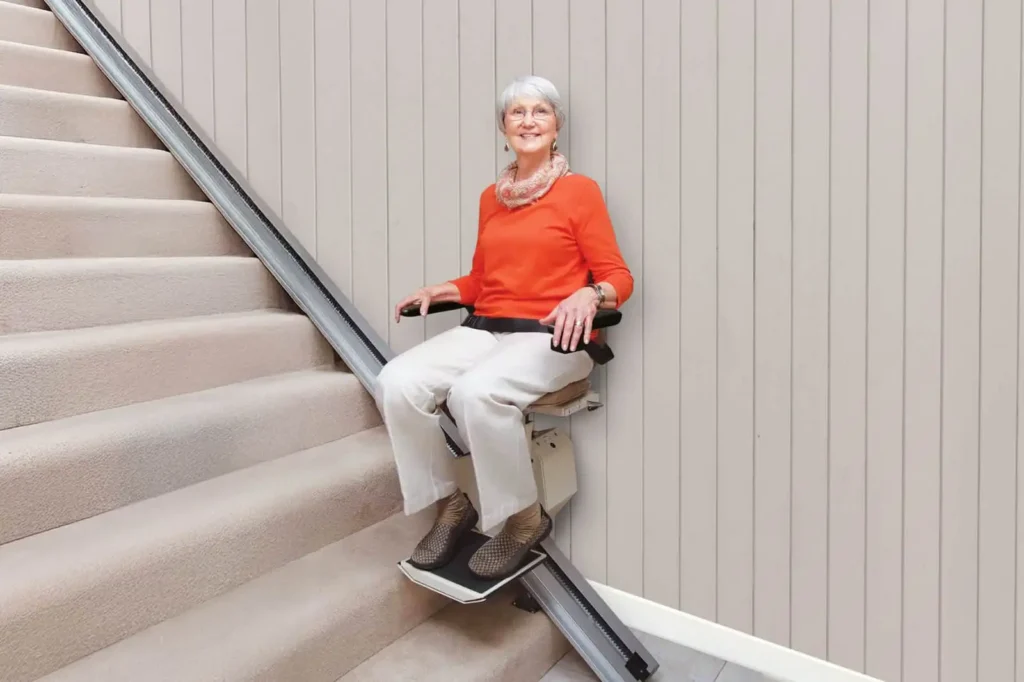
If stairs are also a concern, Safe Step Stairlifts extend accessibility to every level of your home. Our stairlifts feature American-made construction, a lifetime warranty and free professional installation.
How Much Do Aging-in-Place Modifications Cost?
The cost of aging-in-place modifications varies widely depending on the type. Simple fixes you can do in a single weekend cost less than larger projects that can require professional assistance.
Here’s a breakdown of the cost of some common improvements:
| Modification Type | Typical Price Range* |
|---|---|
| Grab Bars | $100 – $500 |
| Wheelchair Ramp | $1,000 – $3,000 |
| Straight Stairlift | $3,000 – $6,000 |
| Walk-In Shower | $3,000 – $12,000+ |
| Walk-In Tub | $4,000 – $20,000+ |
Safe Step provides transparent pricing on our walk-in tubs, showers and stairlifts. We strive to ensure you get the best possible value on your investment in safety and comfort, and installation is always included as part of your quote.
To get more pricing information, visit our walk-in tub price guide and walk-in shower price guide.
*Ranges reflect the typical market; your Safe Step quote personalized.
Paying for Aging-in-Place Improvements
Medicare and other insurance programs don’t necessarily cover home modifications, but some people may qualify for assistance from government programs or other resources. Eligibility and benefits vary by program.
Medicare does not typically cover home accessibility modifications. A limited number of Medicare Advantage plans may cover certain items if a doctor prescribes them for medical reasons. Check your plan details to confirm coverage.
Does Medicare cover walk-in tubs? Get your questions answered.
Veterans may qualify for financial assistance from the U.S. Department of Veterans Affairs for some home modifications if they have a qualifying service-connected disability. The Specially Adapted Housing (SAH) and Special Home Adaptation (SHA) grants, as well as the Home Improvements/Structural Alterations (HISA) benefit may be applicable.
Take an in-depth look at the potential financial assistance for veterans.
Medicaid’s Home and Community-Based Services (HCBS) waiver program sometimes pays for specialized medical equipment and home accessibility modifications, but coverage varies by state. Connect with your Medicaid representative to get more details.
The U.S. Department of Agriculture and other government sources may provide single family housing repair grants and loans for very low-income households to make modifications for the elderly.
Many contractors and home modification suppliers offer financing to help make costs manageable. Safe Step provides access to third-party financing for its walk-in tubs and showers.
Trusted Aging-in-Place Resources
Find in-depth information on aging in place with these trusted resources.
| Resource | About |
|---|---|
| Safe Step Online Store | A one-stop shop for the everyday accessories you need to help make aging in place easier. |
| Safe Step Blog | Helpful articles and expert guidance on safer bathing, stairlifts and aging in place. |
| National Institute on Aging | Home safety and aging-in-place guidance. |
| Eldercare Locator | Find Area Agencies on Aging and local services. |
| BenefitsCheckUp | Explore potential benefits and assistance programs. |
Aging in Place FAQs
Aging in place means staying in your own home safely and independently as you grow older, rather than moving to assisted living or a nursing home. According to the National Institute on Aging, most older adults prefer to age in place. It usually requires planning ahead, including home modifications that reduce fall risk and support daily activities.
Start with the bathroom—one of the highest-risk rooms in the house. At least 80 percent of falls happen in the bathroom. Adding grab bars, a walk-in tub or curbless shower, slip-resistant flooring and a raised toilet can help make bathrooms safer. Conduct a room-by-room assessment to ensure your entire home is accessible.
Low-threshold entry and slip-resistant flooring should be a priority. Optional seating, grab bars, anti-scald technology and a handheld shower wand improve both safety and comfort. Safe Step’s premium products come with a range of safety, convenience and therapeutic features to streamline your daily routine.