What Is Aging in Place? A Complete Guide for Seniors and Families
In this blog:
- Aging in place means staying safely and independently in your own home as you grow older, and nearly 90 percent of seniors say that’s their goal.
- By 2040, more than 80 million Americans will be 65 or older—more than one-fifth of the population—making planning ahead increasingly important.
- Assisted living can run $1,500 to more than $5,000 a month, so home modifications often make financial sense.
- The bathroom carries the highest fall risk in most homes, since at least 80 percent of falls happen there.
- Walk-in tubs and showers with low-threshold entry, grab bars and anti-scald technology—paired with Safe Step’s one-day installation and lifetime warranty—address that risk directly.
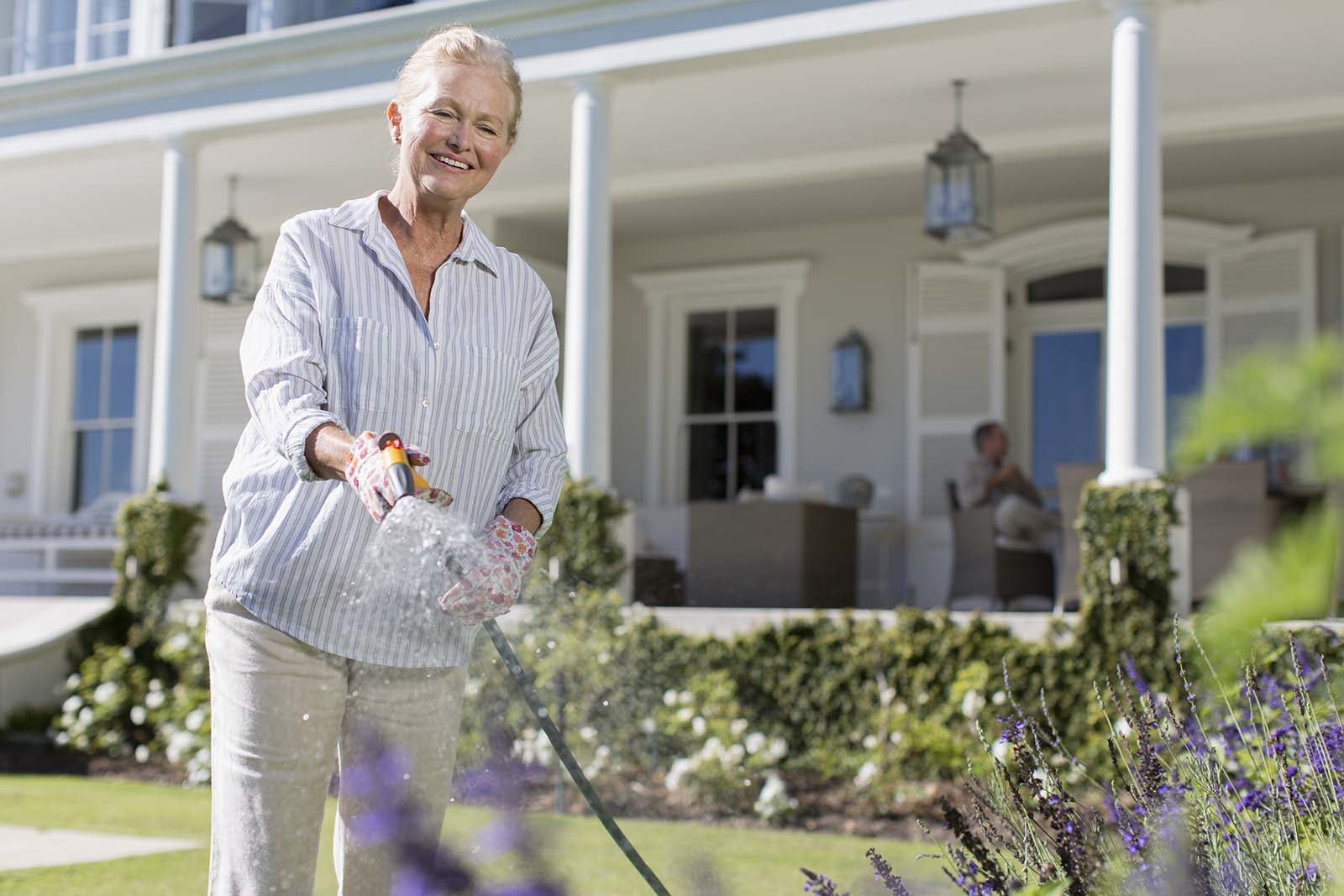
Imagine never having to leave the home where you know every creaky floorboard, favorite reading spot and friendly neighbor by name. Aging in place can make it possible. With thoughtful planning and home updates like accessible bathrooms, you can maintain your independence, stay comfortable and live safely at home for years to come.
What Does “Aging in Place” Mean?
The National Institute of Aging defines aging in place as “the ability to live in one’s own home and community safely and independently, regardless of age, income or ability level.” Aging in place is an option for anyone who wants to remain at home as they grow older. But the term is typically used by adult children or caregivers to describe adults 65+ who are planning for their future.
Aging in place is not about refusing help or avoiding change. Successfully aging in place requires making the right adaptations, so your home remains a safe, comfortable place to live.
Why Aging in Place Matters
Aging in place is the future many older adults want for themselves. Nearly 90 percent of seniors say they hope to remain in their own homes as they age, and that preference is becoming increasingly relevant as the population grows. By 2040, more than 80 million Americans will be age 65 or older, accounting for more than one-fifth of the U.S. population, according to the Urban Institute.
For many families, aging in place also makes financial sense. Remaining at home is often far less expensive than moving to an assisted living community, where monthly costs can range from $1,500 to more than $5,000, depending on the level of care and location.
Beyond the financial benefits, aging in place allows older adults to maintain familiar routines, stay connected to loved ones and remain active in their communities. Research suggests these connections contribute to better overall mental well-being.

Planning for Aging in Place
Aging in place requires careful planning. Our practical tips cover everything you need to know to prepare, from health and finances to home upgrades and social support. Taking steps early can provide your loved ones with peace of mind and confidence in your decisions.
Physical Health
Remaining in the comfort of home is easier when you’re healthy. Maintain strength, balance and mobility through regular activity. Whether it’s starting yoga classes or taking daily walks, staying physically active is vital to healthy aging.
In addition to your annual physical, schedule fall-risk assessments with your healthcare provider. Many Medicare beneficiaries can receive fall-risk screening as part of preventive care visits. Check with your healthcare provider for details.
Financial Planning
The cost of living is steadily creeping up. While staying in your home is less expensive than assisted living, it still requires a nest egg. Review savings, pension and home equity to understand your options. Explore long-term care insurance, reverse mortgages and Medicaid home-based services. Planning prevents crisis decisions.
Home Readiness
Assess your home room by room for hazards. Prioritize the bathroom—it is the site of the majority of senior falls. Safe Step offers free in-home consultations to identify bathroom safety needs.
Social Support
Isolation is a major risk for seniors aging in place. Nearly 40 percent of older adults are lonely, according to a study by AARP. Loneliness can increase the risk of heart disease, stroke and depression.
Seniors need to start building a support network early. Strive to maintain regular contact with family, neighbors and local support resources, such as the Area Agency on Aging. Adult day care and meal delivery programs can allow people to live on their own terms and provide company at a low cost.
Long-Term Planning Timeline
| Age 40-50 | Evaluate finances and long-term goals |
| Age 50-60 | Make preventative home updates |
| Age 60-70 | Review accessibility needs and establish support networks |
| Age 70+ | Reassess mobility and support needs annually |

What Home Modifications Are Needed for Aging in Place?
Home modifications are a crucial part of aging in place easily and safely. The most important home modifications address fall prevention and accessibility. Your priorities will vary based on your mobility level, but the bathroom, entryways and stairs are universally the highest-risk areas.
Adding additional lighting, removing area rugs and adding voice-activated controls are good changes to make throughout your home. Explore our recommended room-by-room changes.
Bathroom
Making changes in your bathroom helps foster independence during your daily routine and can prevent falls. Adding a walk-in tub or shower, a shower seat and a handheld shower wand makes bathing easier and more comfortable. Strategically placed grab bars and slip-resistant flooring provide an added layer of security.
Entryways
Having the ability to enter and exit your home safely allows you to run errands and visit family and friends. Installing ramps or a no-step entry to accommodate walkers can be beneficial. Lever-style door handles and motion-activated lighting are easy to install with the potential for high reward.
Stairs
Falls are the leading cause of injury for seniors and many serious accidents can happen on the stairs. Adding sturdy handrails on both sides and extra lighting is helpful. If you start to lose confidence in your ability to navigate the stairs safely, a stairlift is an easy, affordable solution. A Safe Step stairlift attaches directly to your stairs and can be installed in a few hours. The cost of a stairlift depends on the type, with many ranging from $2,000 to $9,000.
Kitchen
The kitchen is the heart of most homes. Adding easy-grip faucets and pullout shelves can make cooking your favorite meals easier. Smart safety devices can reduce kitchen risks. For example, automatic stove shut-off systems can turn off unattended burners, while smart plugs help prevent small appliances from being left on.
You can consult a Certified Aging-in-Place Specialist (CAPS) or an occupational therapist to get recommendations based on your current mobility needs. Safe Step also offers free home safety assessments to streamline your daily routine and prevent slips and falls in the bathroom.
How Much Does Aging in Place Cost?
The cost of aging in place depends on a variety of factors, including the current design of your home and the depth of your care needs. With the average cost of assisted living starting at $200 per day, simple home upgrades can offer long-term cost savings. Costs can range from simple upgrades that cost as little as $20 to large-scale renovations costing thousands of dollars. Most people start with a combination of small modifications and work toward larger ones over time.
Here’s a rundown of some of the costs:
| Modification or Service | Typical Cost Range |
|---|---|
| Night lights, non-slip mats, area rug removal | $20 – $200 |
| Grab bars (professionally installed) | $100 – $500 |
| Medical alert system | $20 – $60/month |
| Stairlift (straight stairs) | $2,000 – $9,000 |
| Bathroom accessibility remodel | $3,000 – $15,000 |
| Walk-in shower installation | $3,000 – $12,000+ |
| Walk-in tub installation | $10,000 – $20,000+ |
*Ranges reflect the typical market; your Safe Step quote is personalized.
Our Best Offer Ever Is Back for a Limited Time
$2,000 Off Your Walk-In Tub + Free Comfort-Height Toilet!*
Request a free quote today!
Walk-In Tubs: The Most Impactful Bathroom Modification
While many aging-in-place upgrades can improve safety, bathroom modifications often provide the greatest impact because bathing is one of the most challenging daily activities for older adults. At least 80 percent of falls happen in the bathroom.
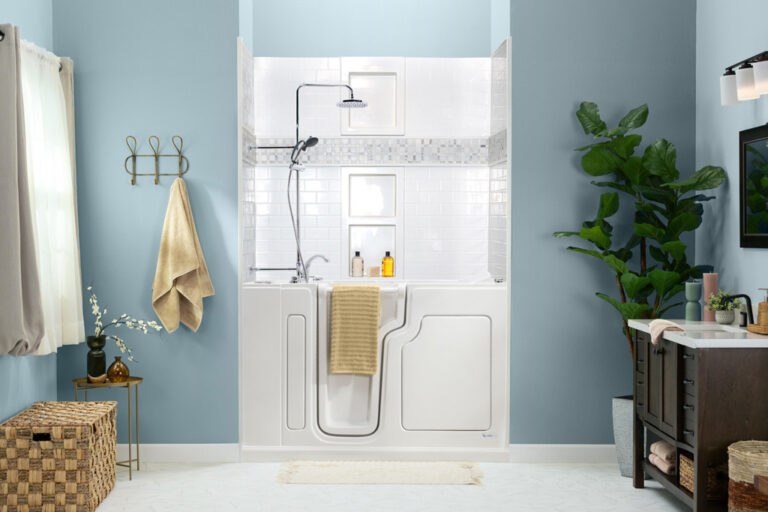
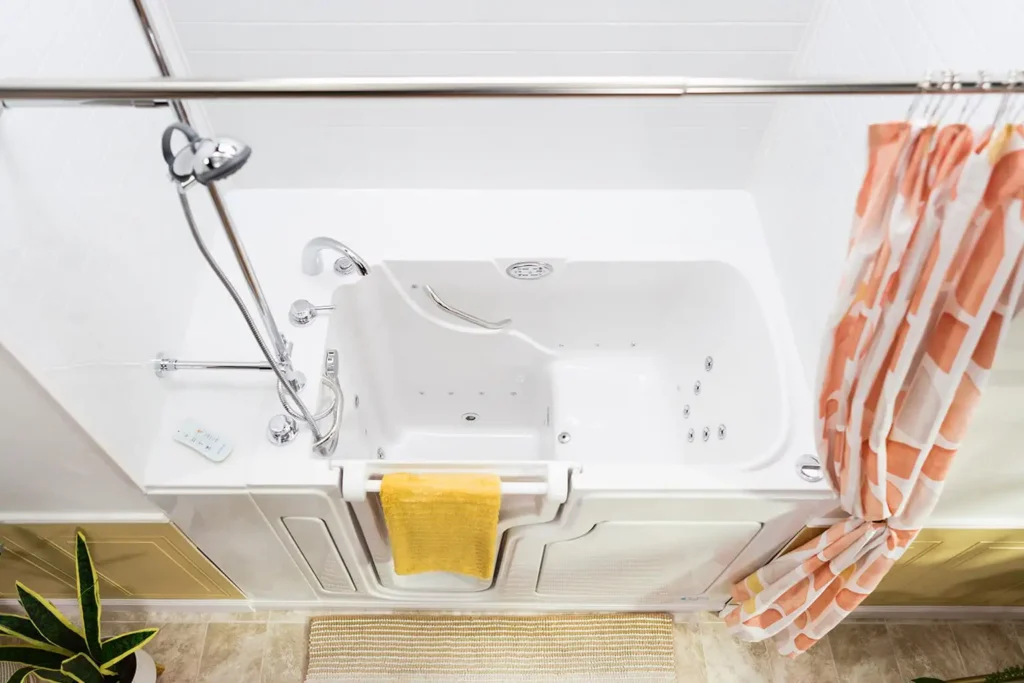
Walk-in tubs from Safe Step come with features to make aging in place easier and more comfortable.
- Low-threshold entry
- Built-in grab bars
- Slip-resistant floor and seat
- Anti-scald technology
- Handheld shower wand
- Hydrotherapy
Our tub is the only walk-in tub in the world to hold the Arthritis Foundation’s Ease of Use Certification. Arthritis impacts more than 60 million U.S. adults. This chronic condition can impact mobility and comfort for seniors who want to age in place.
“I love my Safe Step Walk-In Tub. It has really helped my arthritis and fibromyalgia,” said Becky, a satisfied Safe Step customer.
What To Expect During Installation
Our professional installers make upgrading to a walk-in tub hassle-free.
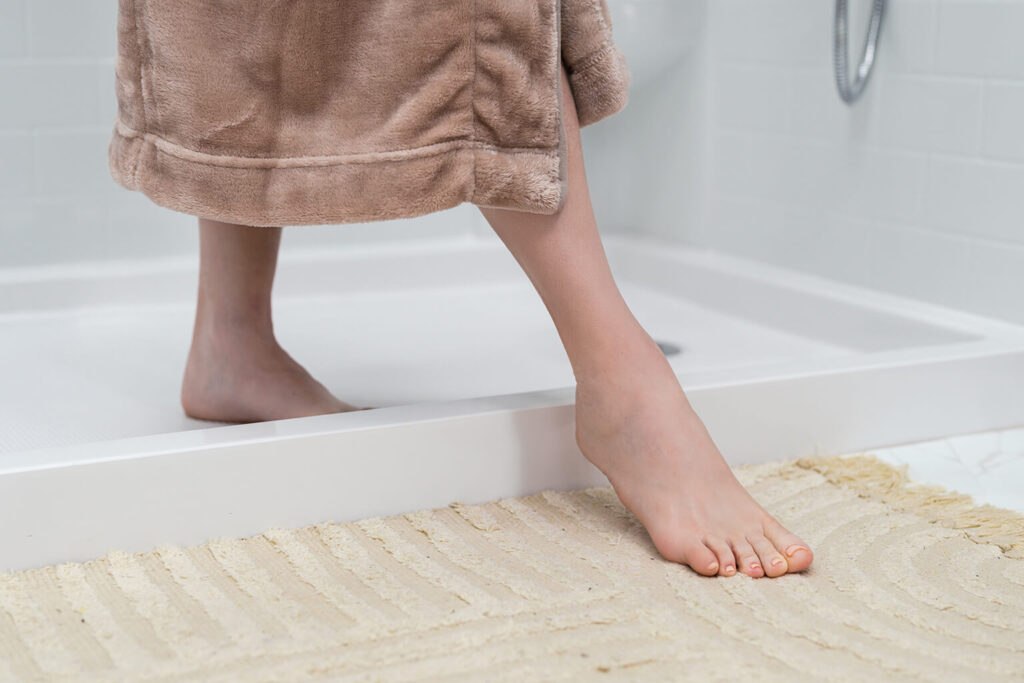
- A typical Safe Step installation is completed in one day with minimal disruption to your daily routine.
- Safe Step uses factory-trained in-house installers—no subcontractors or scheduling surprises.
- All plumbing, electrical and finish work is included. We remove and dispose of your old tub at no additional cost.
- Products are manufactured in Tennessee with a 14-point quality control inspection before shipment.
- Safe Step’s lifetime warranty covers the tub, all parts and installation labor. Any future repair is covered at no additional cost.
Live Life on Your Own Terms
Aging in place starts with creating a safer home—and the bathroom is often the most important place to begin. Discover how easy it can be to create a safer, more accessible home. Schedule your free in-home assessment today.
Frequently Asked Questions About Aging in Place
A CAPS is a professional who has received specialized training to help older adults and people with mobility challenges remain safely and comfortably in their homes as they age. The CAPS designation is awarded by the National Association of Home Builders in partnership with AARP.
Aging in place allows older adults to remain in their own homes while using home modifications and support services to stay safe and independent. Assisted living requires moving to a residential community where staff provide daily assistance, meals and other supportive services.
Walk-in tubs enable seniors and people with mobility limitations to retain their independence during their daily routine. Their low-threshold entry and comfort features make bathing easier and safer.