New Study: Senior Falls Decrease, Injuries Rise

A new study reveals a troubling shift in senior safety. Seniors are falling less thanks to a greater focus on proactive health measures, but their injuries are more severe. This serves as a clear reminder of the need for proactive safety at home.
In this blog:
- A new American Journal of Surgery study found that while senior fall rates are declining, injuries from those falls are becoming more severe—fall-related death rates climbed 70% over the last 20 years.
- Fall-related medical costs are expected to top $101 billion by 2030, with the average hospital stay from a fall costing nearly $19,000.
- Increased longevity is a key factor: the number of U.S. seniors is projected to reach 82 million by 2050, up 42% from 2022, meaning more people are active—and vulnerable—later in life.
- At least 80% of falls happen in the bathroom, so the CDC recommends upgrades like grab bars, non-slip mats and a walk-in tub or shower to reduce risk.
To keep readers informed, Safe Step highlights findings from a new American Journal of Surgery study and the latest research. Understanding these insights gives you the power to make thoughtful decisions to help you stay safe and age in place with confidence.



The number of seniors in the U.S. is expected to reach 82 million by 2050, up 42% from 2022.

Falls Are Decreasing, but Risks Are Growing
Each year, one in four seniors falls, according to the U.S. Centers for Disease Control and Prevention (CDC). Falls remain the leading cause of injury among older adults, and they can result in a loss of independence. These injuries are also costly, with U.S. fall-related medical costs expected to exceed $101 billion by 2030. The price tag of the average hospital stay resulting from a fall is nearly $19,000.
“Falls are not an inevitable part of aging. They are a serious but preventable public health issue that costs the nation billions in avoidable health care expenses each year.”
– Mary Lazare, National Council on Aging, Acting Assistant Secretary for Aging
The new study from the American Journal of Surgery revealed some good news: fall rates are declining. This progress reflects increasing awareness around fall prevention, with more older adults engaging in balance-supporting activities and working closely with their doctors.
Despite this progress, the study determined that fall injuries are becoming more severe. Fall-related death rates climbed 70% over the last 20 years.

Why Are Senior Injuries Becoming More Severe?
Experts point to increased longevity as one of the top reasons. Many people are living longer and staying active into their older years, making them more vulnerable during a fall. The Population Reference Bureau reports the number of seniors in the U.S. is expected to reach 82 million by 2050, up 42% from 2022.
As seniors age, health conditions naturally affect strength, stability and healing. Other factors include:
- Reduced bone density makes fractures more likely.
- Medication side effects, such as dizziness or low blood pressure, increase instability.
- Chronic conditions like osteoporosis, diabetes and heart disease weaken the body.
Together, these realities mean that even a single fall can lead to a long recovery.
Protecting Yourself Starts at Home
You can take easy steps to reduce your risk of falls at home. Simple changes to your daily routine and living space can make a meaningful difference.
The CDC recommends starting with these practical steps:
- Eliminate trip hazards by clearing clutter and removing throw rugs.
- Ensure easy access to items you use frequently.
- Improve lighting throughout your home.
- Install extra support on the stairs.
- Regularly review medications with your doctor.
- Add balance and strength exercises to your exercise routine.
- Wear sturdy shoes.
Create a Safer Bathroom
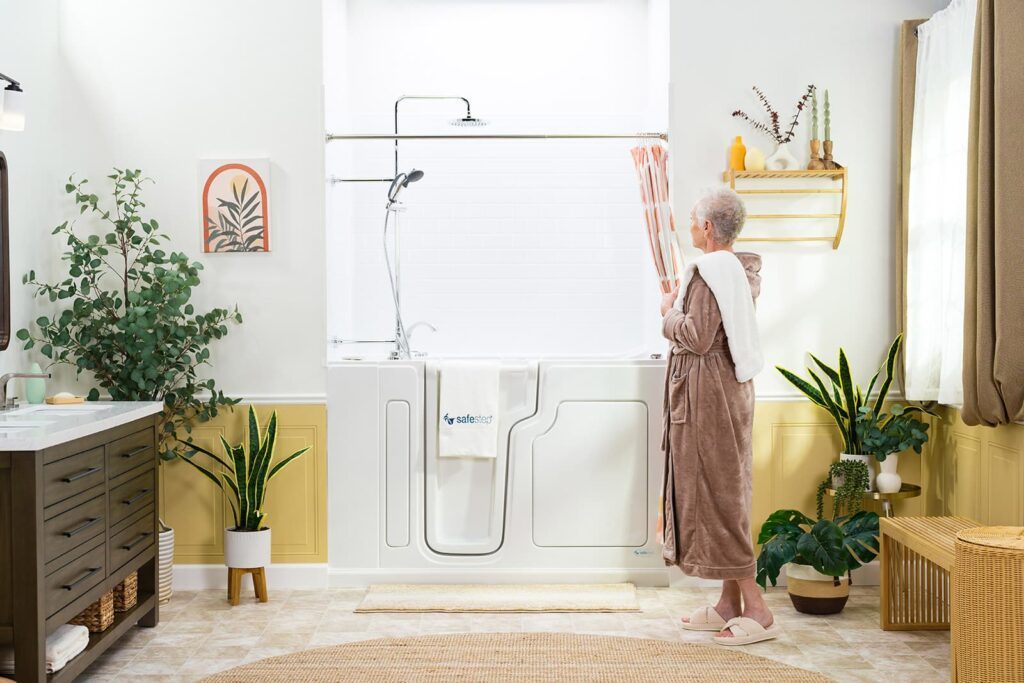
At least 80% of falls occur in the bathroom, often due to slippery surfaces and high tub walls. By making your bathroom safer, you can reduce the likelihood of falling and turn the space into a relaxing sanctuary. Many safety updates are simple and can be done in as little as one weekend.
To get started, here are some upgrades you can make to enhance your daily routine:
- Replace bath rugs with non-slip mats to prevent tripping.
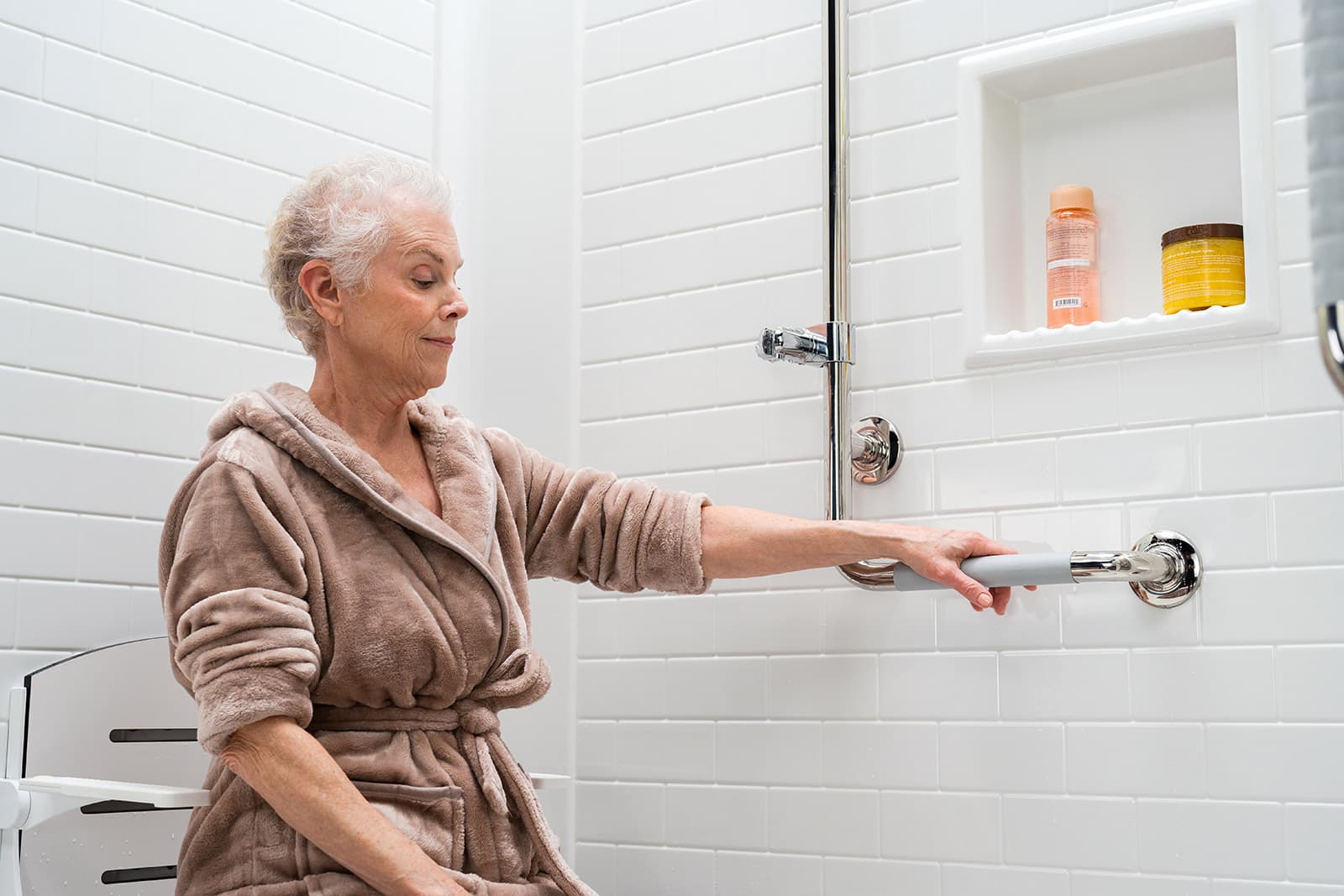
- Add strategically-placed grab bars for extra support.
- Install a comfort-height toilet to limit strain.
- Add built-in, easy-access shelving to reduce clutter.
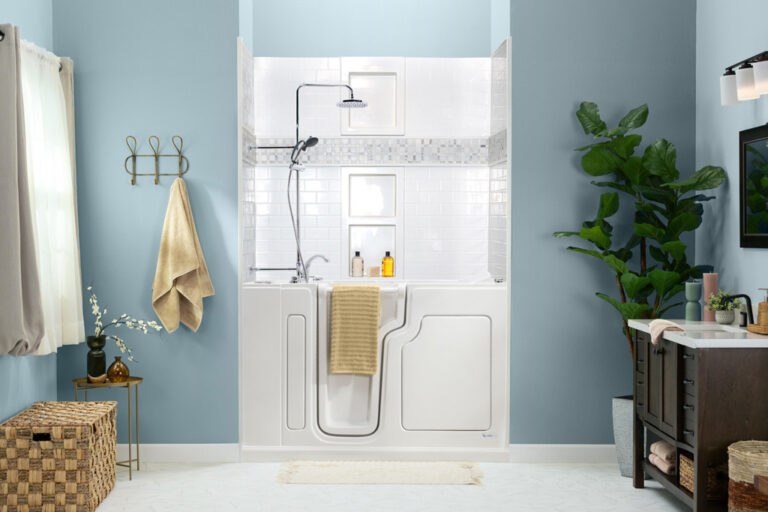
- Upgrade to a walk-in tub or shower.
Take Charge of Your Safety Today
Future-proofing your home can protect your long-term health and independence. Safe Step is committed to helping seniors enjoy their golden years safely. We understand how important it is to feel steady and supported in your home. Our walk-in tubs and showers can enhance your daily routine and restore your independence, with low-threshold entry, slip-resistant surfaces and safety features that evolve as your mobility needs change.
With Safe Step, you don’t have to sacrifice design to gain accessibility. Our walk-in showers feature tile accents, glass doors and elegant hardware finishes to help build the bathroom of your dreams.
Whether you’re experiencing mobility challenges now or planning for the future, a design consultant from our team can offer a hassle-free approach to home safety. Take action to invest in your lasting safety and well-being.
To learn tips about bath safety, visit our Bath Safety Guide and schedule your free consultation.