5 Tips To Start a Conversation About Aging in Place

In this blog:
- Start the conversation early. Talk with your family about future needs and preferences before a health emergency or mobility challenges force difficult decisions.
- Keep an open mind. Share your concerns, listen to their perspectives and work together to make decisions.
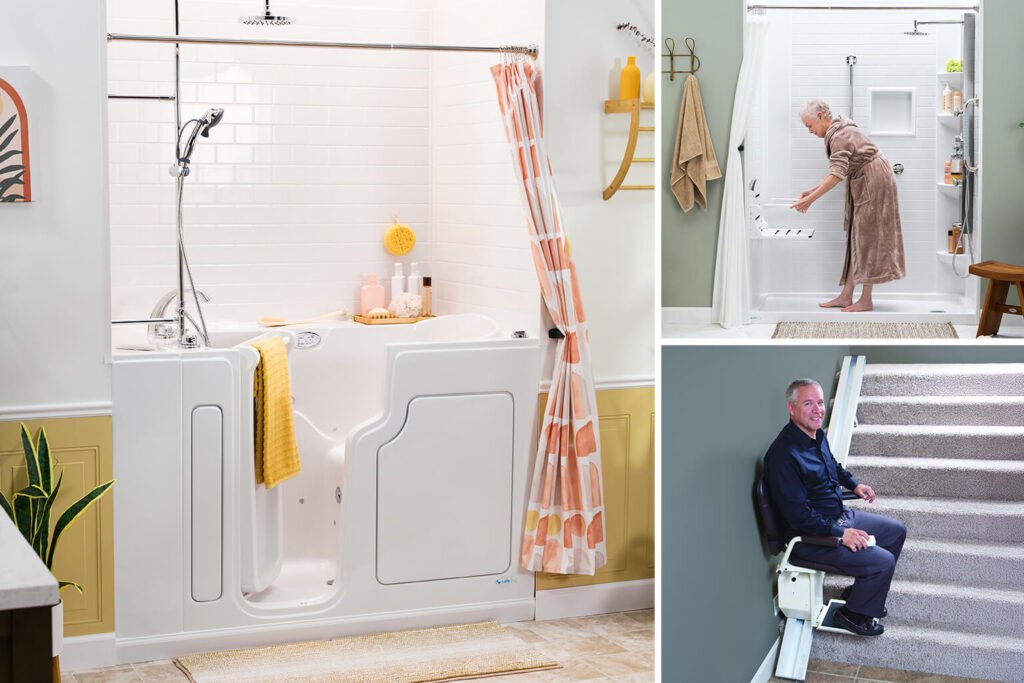
- Make a plan for aging in place. Discuss home safety, health care and finances. Also explore accessibility upgrades, such as walk-in tubs, showers, and stairlifts, to stay safe and independent at home.
Nearly 75 percent of adults ages 50-plus want to remain in their current homes as they grow older. Aging in place is about more than remaining in familiar surroundings. It’s about preserving independence, maintaining cherished routines and continuing to make memories in the place you love.
Whether you’re thinking about your own future or helping someone you love plan for theirs, conversations about aging in place can be challenging. But talking openly about your needs, concerns and preferences can help you make decisions with confidence. These five tips will help you start the conversation and explore practical ways to stay safe and independent at home.
Why This Conversation Is Hard—and Why It Can’t Wait
Conversations about aging can bring up difficult emotions. You may worry about losing independence, changing familiar routines or needing additional support. Your loved ones may have concerns about your safety but aren’t sure how to express them without making you feel pressured. Understanding each other’s perspectives can make these conversations more productive.
Although it’s tempting to postpone these discussions, planning ahead gives everyone time to explore options before an unexpected illness, surgery or fall forces difficult decisions.
Proactive planning can also help you remain in the home you love for as long as possible. Making accessibility improvements before they’re urgently needed can create a safer, more comfortable living environment and potentially reduce the need for costly alternatives, such as assisted living or ongoing in-home care. These changes can help you maintain your daily routine and continue doing the things you enjoy with confidence.
To help break the ice and have a productive conversation on aging in place, keep these things in mind.

1. Choose the Right Time to Talk About Aging in Place
Wondering when the best time is to start the conversation? You don’t need to wait for a loved one to bring up the topic of aging in place. Everyday situations can create natural opportunities.
| Opening Moment | Why It Works |
|---|---|
| A friend or neighbor moves or has a fall | Makes it easier to start the conversation by talking about someone else. |
| During a visit | Provides an opportunity to discuss daily routines, challenges and future needs together. |
| A home improvement project | Creates an opportunity to add safety features during planned updates. |
| A minor near-miss, like a slip | Opens the door to discussing simple safety improvements before a serious accident occurs. |

2. Approach the Conversation With Empathy
It’s natural to worry about the future. The way you approach the conversation can make all the difference. Most people don’t respond well to ultimatums or scare tactics. By listening to each other’s concerns and respecting individual preferences, you can work together to find solutions. If you’re concerned about a loved one’s safety, here are some ways to approach the conversation with empathy.
| Instead of… | Try… |
|---|---|
| You can’t keep living alone. | What would make this house easier to stay in for the next ten years? |
| We need to talk about moving. | Where do you want to be living five years from now? |
| The stairs are too dangerous. | Which parts of the house take the most effort to navigate these days? |
| I’m worried you’ll fall. | Has anything felt unsteady to use, like the tub or the stairs? What would help? |
| Let me handle it. | What do you want to decide for yourself, and where would help be welcome? |

3. Navigate Concerns and Different Opinions
You may feel confident about living independently while your family worries about your safety. Or you may have concerns you’re unsure how to express. Talking openly about these feelings can help everyone understand what matters most and work toward solutions together.
Here are some common concerns that may come up and ways to keep the conversation productive.
| If You’re Concerned About… | You Might Say… |
|---|---|
| Losing independence | I want to stay independent, and I’d like to explore changes that could help me do that. |
| Becoming a burden | I don’t want anyone to feel overwhelmed. Can we talk about how to plan ahead together? |
| Being pressured to move | Staying in my home is important to me. I’d like to explore options that could make that possible. |
| Losing control over decisions | I appreciate your concern, but I want to be involved in decisions about my home and future. |
4. Cover Home Safety and Future Needs
A productive conversation should leave everyone feeling heard and better prepared for the future. While you don’t need to make every decision at once, discussing the most important concerns can help you develop a plan and avoid unnecessary stress later.
Here are some key topics you should cover:
- Home safety: Talk about home modifications that can help, like grab bars, lighting, stairs, entry steps and safe bathing solutions.
- Medical support: Review medications, health care needs and any additional support that could make managing daily routines easier.
- Finances and essential paperwork: Create a budget for accessibility modifications and determine if there are resources you can turn to for assistance. Ask about insurance coverage and where powers of attorney and advance directives are kept.
- Emergency plan: Create an emergency plan, including a primary point of contact. If you need in-home care or rehabilitation, determine your preferred service providers.
- Create an action plan: Agree on one practical next step, such as evaluating bathroom safety, researching accessibility upgrades or scheduling a home assessment.
For many older adults, bathroom safety is a natural place to start. Slippery surfaces, high bathtub walls and limited support can make everyday bathing increasingly difficult. According to AARP, at least 72 percent of older adults who want to make home modifications to age in place are interested in adding bathroom grab bars.
Our Best Offer Ever Is Back!
$2,000 Off Your Walk-In Tub
+ Free Comfort-Height Toilet*
5. Explore Aging in Place Safety Solutions
Once you’ve discussed your needs and preferences, the next step is finding solutions that support independence, like walk-in tubs, walk-in showers and stairlifts.
According to The Wall Street Journal, the bathroom is one of the most dangerous rooms in the home. Making bathing safer can help reduce your risk of slips and falls while preserving your independence. Safe Step’s No. 1-selling walk-in tub is the only tub on the market to earn the Arthritis Foundation’s Ease of Use Certification, helping people with joint pain and stiffness bathe more comfortably and easily.
Fortunately, improving bathroom safety doesn’t mean sacrificing style or undergoing a stressful renovation. Safe Step offers walk-in tubs and showers with modern finishes, built-in safety and therapeutic features, and tile accents to complement your home’s decor. Professional installation can be completed in as little as one day.
“The walk-in tub has positively impacted our lives. My 93-year-old mother, who uses a walker, no longer has to navigate five steps or step over a high bathtub edge to bathe. This safety feature has been invaluable.”
– Tamara B., the satisfied daughter of a Safe Step customer
Proudly manufactured in Tennessee, Safe Step’s tariff-free walk-in tubs and showers are backed by a limited lifetime warranty. Plus, our Lowest Price Guarantee helps ensure you the best value for your investment in safety and comfort. And our American-made stairlifts include free, professional installation.
Request a free home consultation to learn about home accessibility solutions from Safe Step.
Frequently Asked Questions
The best time to talk to about aging in place is before health or mobility challenges make changes necessary. Look for natural opportunities to bring up the topic, such as during a home renovation or after a friend or neighbor experiences a fall. Planning ahead can help you maintain your independence and remain safely in the home you love for years to come.
According to the National Institute on Aging, signs that you may need extra help at home include changes in your daily routine, memory problems, mental health concerns or physical health issues, such as falls.
The cost of aging in place depends on the accessibility features already in your home and the level of care you need. Making one-time investments in home safety can often be less expensive than the ongoing cost of assisted living or in-home care.