Bath Safety Q&A: Do I Need a Walk-In Tub?
In this blog:
- A short questionnaire can help you decide whether it’s time for a walk-in tub—covering balance, near-falls and how confident you feel bathing.
- Warning signs include feeling unsteady entering the tub, relying on nearby surfaces for balance, or a loved one voicing concern about your bathroom safety.
- Nearly 95 percent of adults over 50 want to age in place, and Safe Step’s low step-in, built-in seating and hydro massage jets are designed to support that goal.
Your home should work for you. To stay safe and independent as you age, accessibility updates can make all the difference. Bathrooms are among the most dangerous areas in the home for older adults, especially when slips, balance issues or mobility changes become part of everyday life.
Wondering whether you need a walk-in tub? National Safety Month is the perfect time to evaluate whether your current bathroom setup still supports safe, comfortable bathing.
Why Bathroom Updates Matter
According to UCLA Health, many falls at home occur in the bathroom. Slippery surfaces, high tub walls and limited support increase the risk of falls and injuries. Safe bathing solutions like additional lighting, strategically placed grab bars and low-step-in tubs provide peace of mind for seniors and their families.
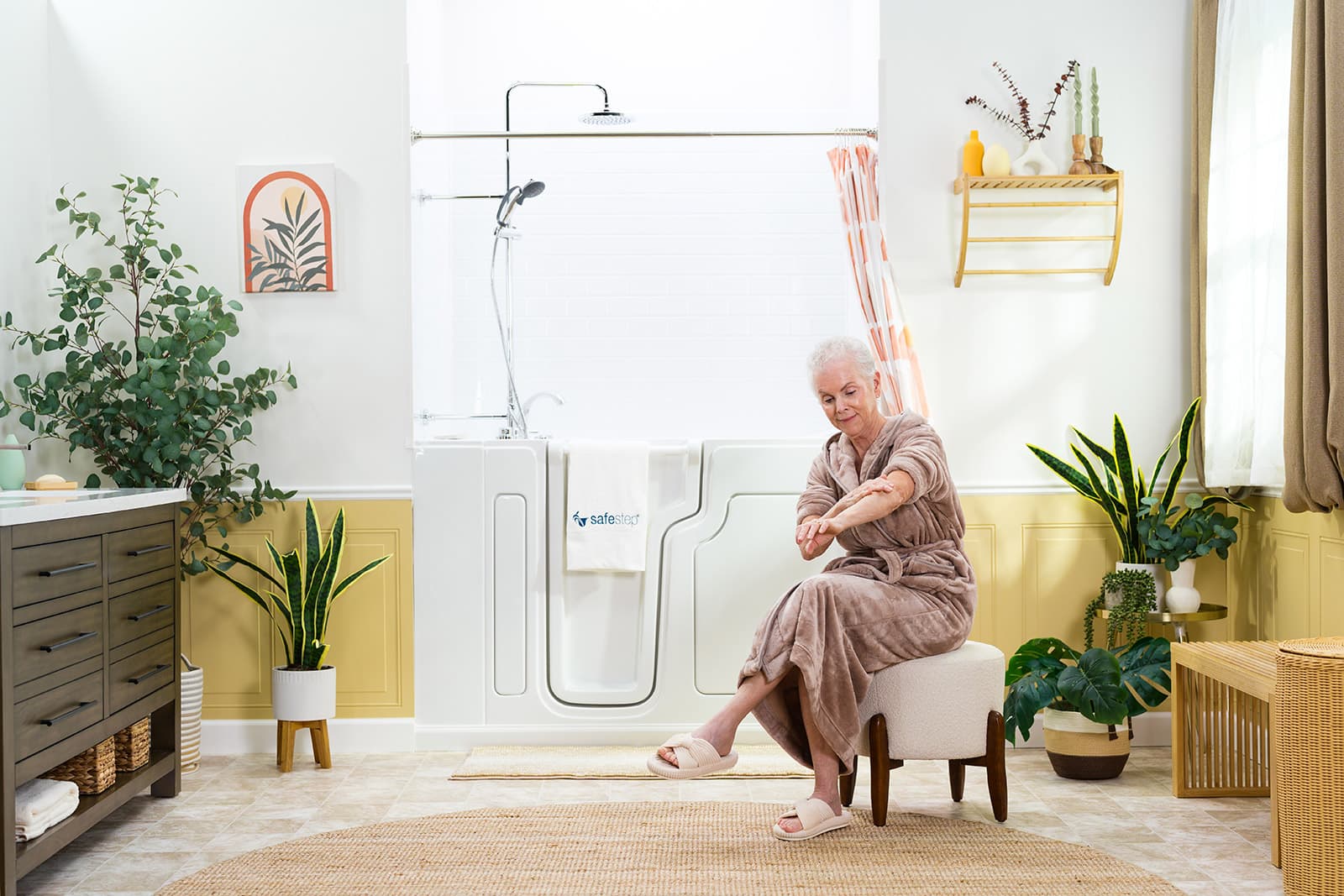
For nearly 20 years, Safe Step has been helping people enjoy a safer, more comfortable daily routine. Our No. 1-selling walk-in tub is equipped with comfort and safety features that promote confidence and independence while bathing.
Safe Step’s Bath Safety Q&A
Is it time for a walk-in tub? Review our questionnaire. If you answer yes to any of the questions, a walk-in tub can make everyday routines safer and provide peace of mind at a fraction of the cost of in-home care or assisted living.
1. Do You Feel Unsteady Entering the Tub?
Traditional tubs often require stepping over a high wall, which can become difficult with:
- Balance changes
- Arthritis
- Knee or hip pain
- Reduced mobility
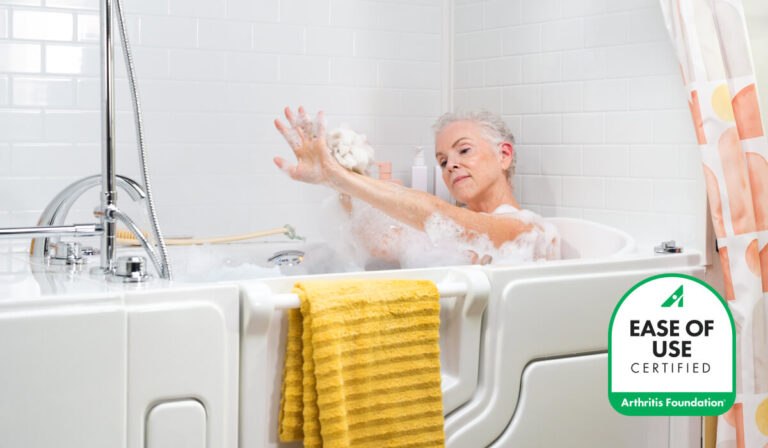
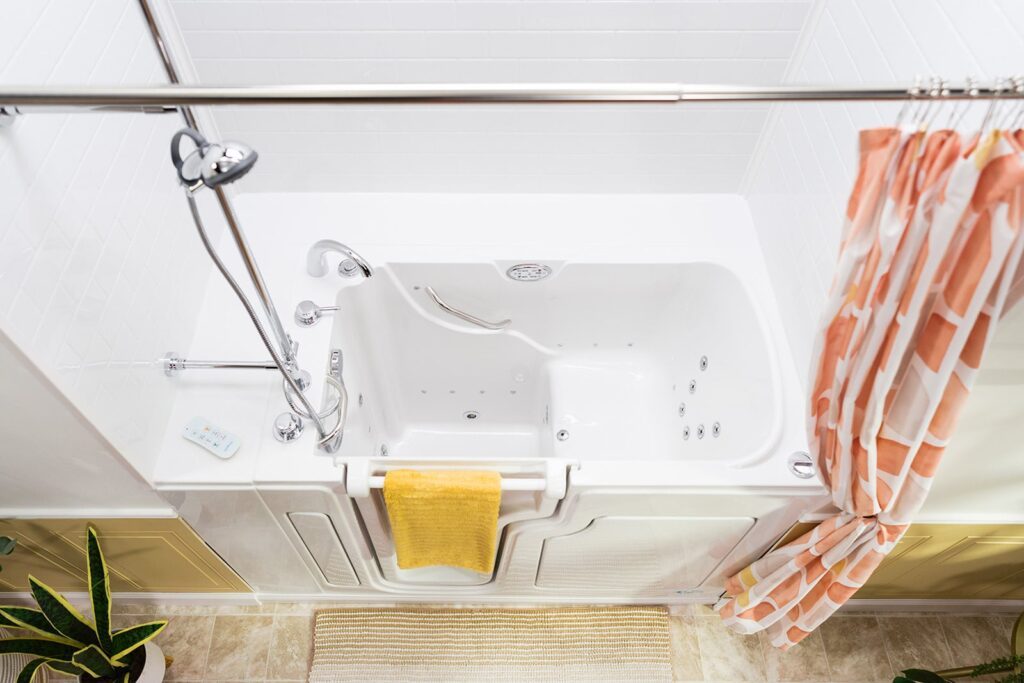
A walk-in tub is designed to accommodate people with mobility limitations. Safe Step’s walk-in tub also has therapeutic benefits to soothe your aches and pains. The MicroSoothe Air Therapy system nourishes your skin, and the hydro massage jets provide targeted relief. Spa-like features such as aromatherapy and color therapy are designed to help you relax.
2. Have You Slipped or Nearly Fallen in the Bathroom?
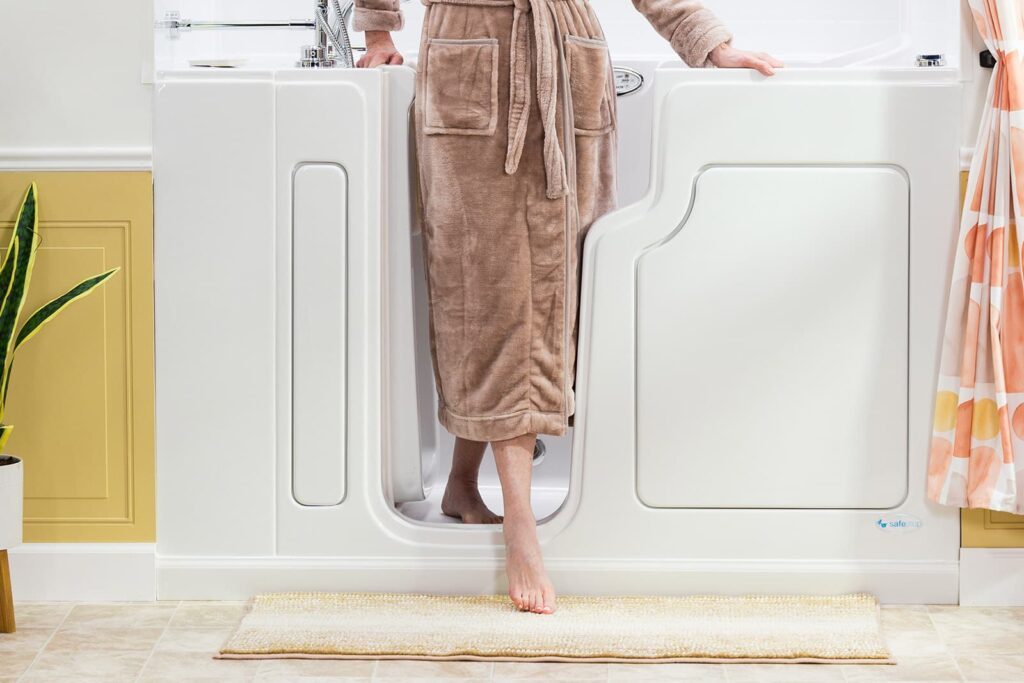
Even a close call can be an important warning sign. The combination of slippery surfaces, tight spaces and hard flooring makes bathrooms a risk. A walk-in tub has a low step-in height and built-in seating, enabling you to bathe independently without worrying about a fall.
3. Are You Using Nearby Surfaces for Balance?
Many people begin relying on nearby surfaces for balance without realizing it. If you’re reaching for existing elements to retain your balance, a walk-in tub offers built-in solutions to support your weight and improve stability.
4. Is Standing During a Shower Becoming More Difficult?
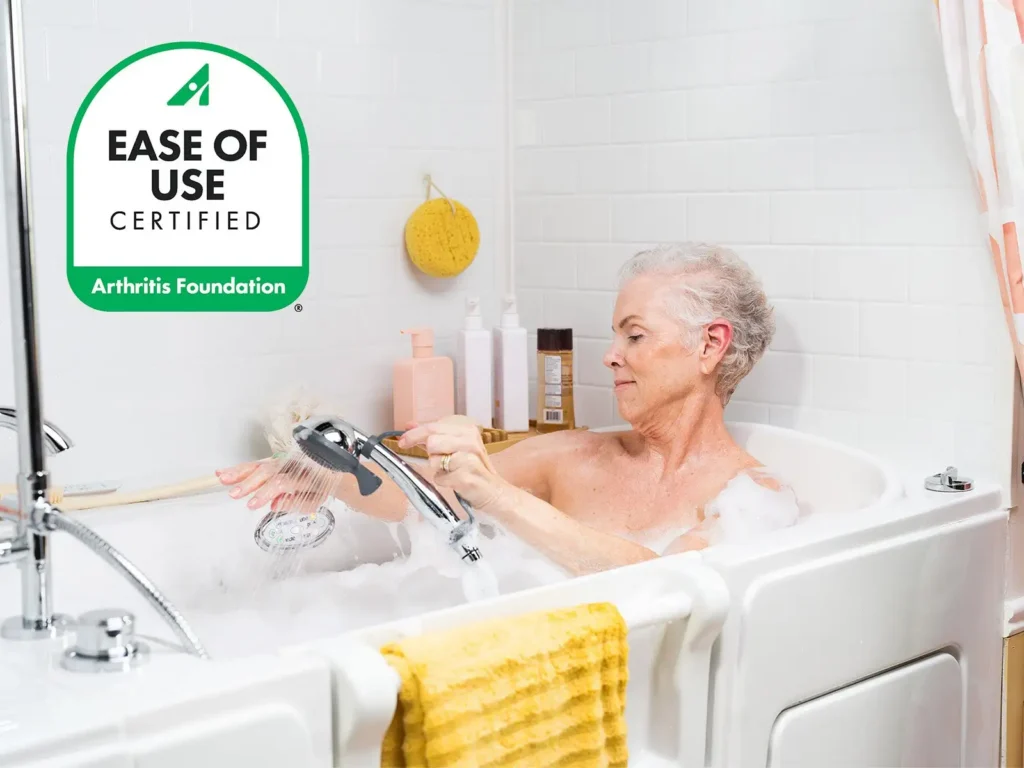
If you suffer from arthritis or muscle weakness, standing in the shower can be a challenge. A walk-in tub makes bathing simple. Our hybrid tub gives you the option of a quick shower or a longer soak.
5. Has a Loved One Expressed Concern About Bathroom Safety?
Adult children and caregivers often notice concerns first. If your family is starting to ask you questions about safety, it may be time to consider a walk-in tub.
6. Are Baths or Showers Becoming Stressful?
Some seniors begin delaying or avoiding bathing because it feels physically demanding or unsafe. Over time, this impacts confidence, independence and overall well-being. Walk-in tubs offer hassle-free independence.
7. Can Your Bathroom Support You Long-Term?
Aging in place means staying safely and comfortably in the home you love. A new study reveals nearly 95 percent of adults over the age of 50 want to age in place for as long as possible. Not only does it enable you to stay in familiar surroundings, but a one-time investment in a walk-in tub is a fraction of the cost of assisted living or in-home care.
Bathroom upgrades that support aging in place may include:
- Walk-in tubs
- Grab bars
- Slip-resistant flooring
- Handheld shower wands
Our Best Offer Ever Is Back!
$2,000 Off Your Walk-In Tub
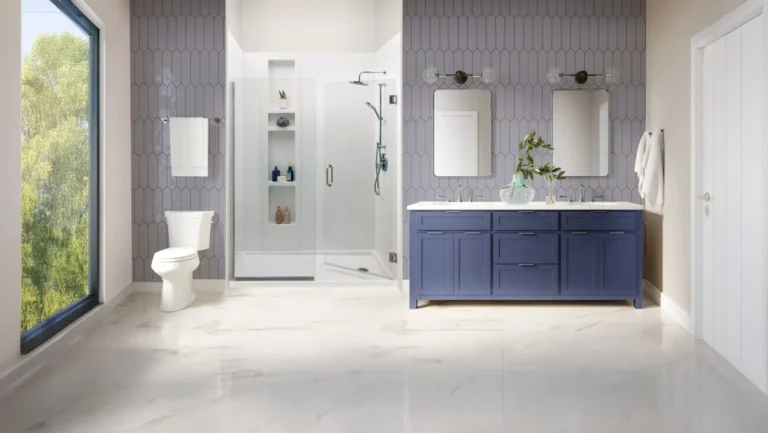
+ Free Comfort-Height Toilet*
A Walk-In Tub Isn’t About Giving Up Independence
Many homeowners delay considering a walk-in tub because they associate it with losing independence. But for many people, it achieves the opposite result. A walk-in tub provides safer movement, improves confidence and facilitates aging in place.
Questions Caregivers and Adult Children Can Ask
As summer travel brings families together, pay attention to potential challenges your loved one may be experiencing while navigating their home. Ask yourself these questions:
- Does my parent seem nervous entering the tub?
- Are there signs of balance issues?
- Have they mentioned joint pain or fatigue?
- Is the bathroom set up for long-term safety?
Spotting these signs early enables you to encourage proactive upgrades your loved one needs to stay in their forever home.

Making a Plan for the Future
Bathroom safety needs can change gradually over time, which is why regular check-ins are important, especially during National Safety Month. Many people wait until after an injury to make bathroom safety upgrades. Addressing concerns early may help prevent accidents before they happen.
Whether you’re evaluating your own needs or helping a loved one age safely at home, asking the right questions today may help prevent serious accidents tomorrow.
The right bathroom upgrades can help you stay safer, maintain independence and continue enjoying the comfort of home. Request a free consultation to explore your bath safety options.