Understanding HSA & Medicare: What Changes at Age 65?

Maximize your tax-free savings to plan for the future. Fully funding your health savings account (HSA) now can create a powerful, tax-advantaged retirement resource. Those funds can help cover future health needs, including home modifications that support safety and independence.
What Is a Health Savings Account (HSA)?
According to Morgan Stanley, seniors will need at least $345,000 in savings for medical care during retirement. A Health Savings Account is a way to save for medical expenses with unique tax advantages.
HSAs offer a triple tax benefit:
- Contributions are tax-deductible
- Investment growth is tax-free
- Withdrawals for qualified medical expenses are tax-free
Unlike a Flexible Spending Account (FSA), HSA funds roll over each year. You don’t lose unused money at the end of each year, making the account a valuable rainy day fund for healthcare expenses. Whether it’s for prescriptions, doctor visits or a hospital stay, an HSA is a valuable tool for tax savings.
To qualify for an HSA, you must be enrolled in a high-deductible health plan (HDHP). Many employers match up to a certain percentage of your contribution to encourage savings.
Contribution limits have increased since HSAs were introduced two decades ago. In 2026, the contribution limit is $4,400 for self-only coverage and $8,750 for family coverage.

Can You Use an HSA After Age 65?
Once you enroll in Medicare at the age of 65, you can no longer contribute to your HSA. Many financial experts recommend maximizing contributions in the years leading up to retirement.
While you can no longer contribute to your HSA after age 65, you can continue to use the money in your HSA to pay for medical expenses. You can withdraw HSA funds tax-free to pay for:
- Medicare Part B premiums
- Medicare Part D premiums
- Medicare Advantage premiums
- Qualified medical expenses
You can also use your HSA funds to pay for non-medical expenses without penalty, although those withdrawals will often be taxed.
Does an HSA Cover Home Modifications or Walk-In Tubs?
Similar to Medicare guidelines, HSA funds may be used for medically necessary home improvements, like grab bars and widened doorways, if prescribed by a physician. A walk-in tub is usually considered a comfort feature and does not qualify, but some Medicare Advantage plans may offer expanded home safety benefits.
Medicaid waiver programs in some states also may cover home modifications. For a more detailed breakdown of insurance and Medicaid coverage options, read our guide: How Can I Afford a Walk-In Tub? Smart Ways To Make Safe Bathing Affordable.
Planning for Aging in Place
Having a nest egg to cover healthcare expenses enables you to earmark other funds to make senior home modifications. At least 75% of older adults want to age in place for as long as possible. Remaining in your forever home can help you save on long-term care costs and enjoy your independence.
Falls are one of the leading causes of death for seniors. To age in place safely, seniors need to make home modifications to prevent falls. Adding grab bars, enhancing lighting and reducing clutter are simple upgrades.
The bathroom remains one of the most hazardous areas in the home. According to a report from UCLA Health, approximately 80% of falls at home occur in the bathroom. Slick surfaces, high tub walls and tight spaces can make bathing especially risky for seniors with limited mobility or balance issues.
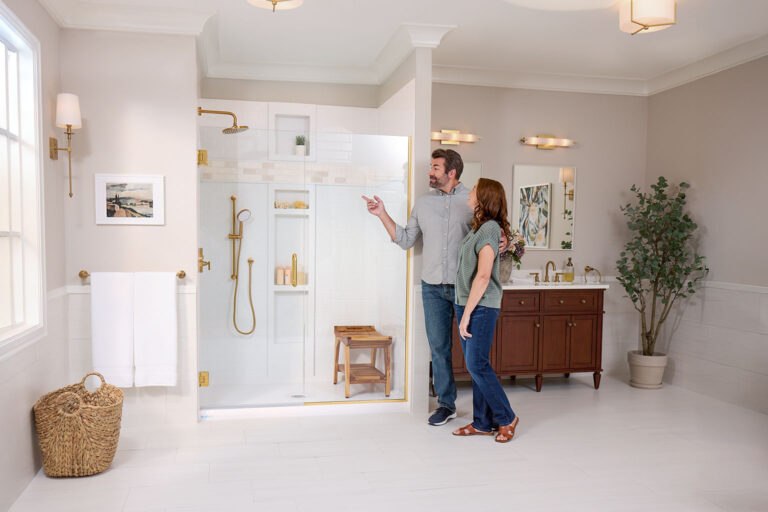
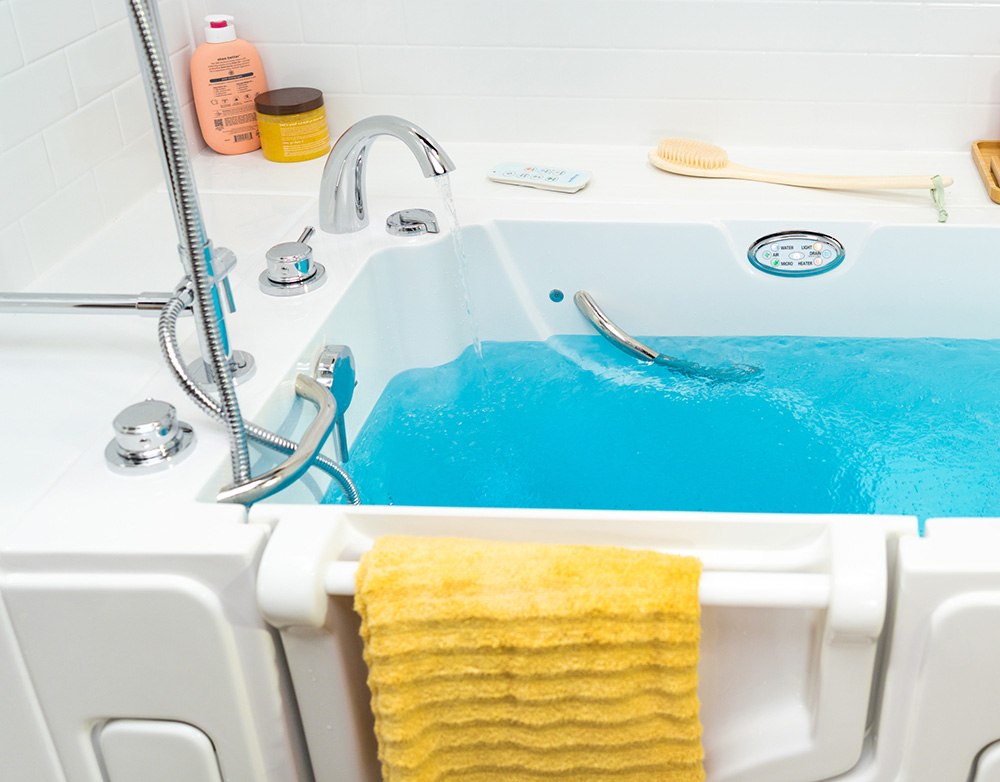
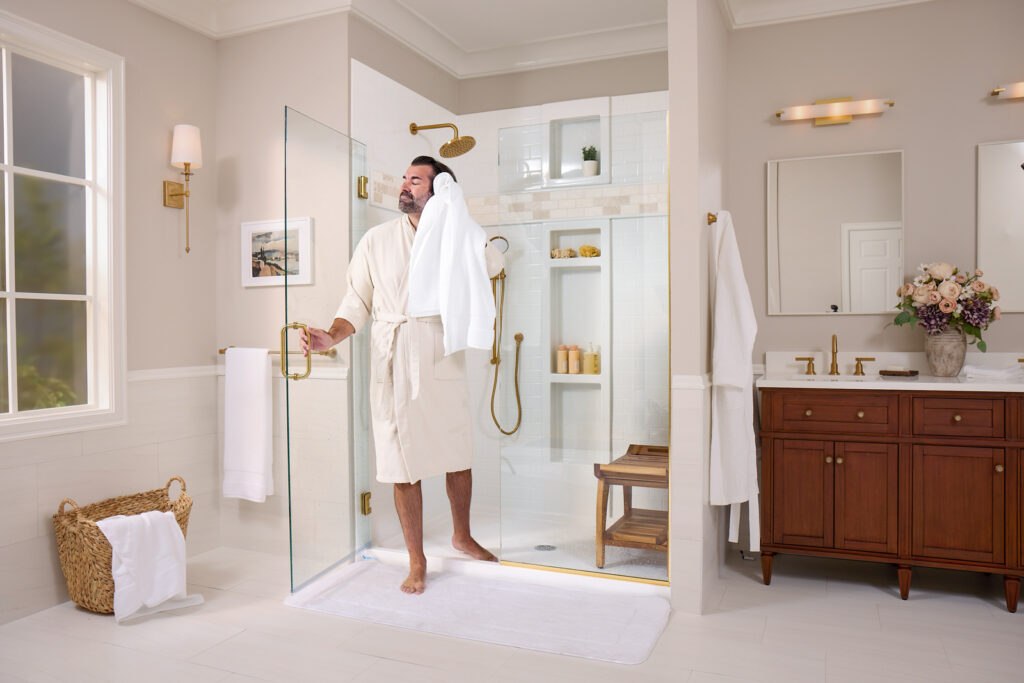
That’s why many homeowners choose to upgrade to a walk-in tub or walk-in shower as part of their safety strategy.
Safe Step’s bathing solutions are specifically designed with accessibility in mind. Features such as handheld shower wands, optional seating and strategically placed grab bars provide greater stability and control. The low-threshold entry eliminates the need to climb over the side of a traditional tub-shower combo.
When To Speak With a Professional
As you plan for the future, consulting a financial advisor can help you determine a savings plan that works for your family. Tax professionals and your insurance provider can also help you learn about savings opportunities to help you age in place and enjoy your forever home longer.
If you’re exploring home safety upgrades and want guidance on coverage, a Safe Step consultant can help you understand your options. Request a free quote to learn more about safer bathing.