How Can I Afford a Walk-In Tub? Ways To Make Safe Bathing Affordable

In this blog:
- Consumer prices climbed nearly 3 percent in 2025, but other cost-saving paths can still make a walk-in tub attainable.
- Veterans may qualify for Safe Step’s military discount of up to $500 off, and USDA grants of up to $10,000 (or loans up to $40,000) help low-income rural seniors with home repairs.
- Safe Step’s Blue Rewards Program offers $750 off per person, up to $1,500 per household, for qualifying health conditions, on top of financing plans and potential tax deductions.
- Looking for cost and pricing details of a walk-in tub or shower? See our walk-in tub cost guide and walk-in shower cost guide.
For seniors or people with mobility limitations, a walk-in tub is a proven solution. The good news? Through financing programs, insurance benefits, grants and other cost-effective options, you can invest in long-term safety and comfort without straining your budget.
Why Waiting Can Cost More
Consumer prices climbed nearly 3 percent in 2025, hitting many household budgets. For people on fixed incomes, every increase makes it harder to stretch dollars. Though food, housing and healthcare cost more, bathroom safety is worth the investment.
The bathroom is one of the most accident-prone areas of the home, especially for seniors. A single fall can lead to expensive medical bills, long recovery times and lasting health consequences, making preventive safety measures a smart investment despite today’s financial pressures. Upgrades like grab bars, walk-in tubs and better lighting can reduce risks, provide peace of mind and ultimately save money.
Supports Aging in Place
In addition to being proactive, making a one-time investment in a walk-in tub can save you money as you age and your mobility needs change. A home health aide now runs about $80,080 a year, and assisted living averages $6,200 a month (roughly $204 a day), according to the 2025 CareScout Cost of Care Survey.
Making home upgrades that facilitate aging in place offers a strong return on investment and enables you to remain in your forever home for as long as possible.
“Although not cheap, I believe the investment in Safe Step is truly worth the money because of the benefits I’ve experienced, particularly at my age of 83,” said Kenneth H., a satisfied Safe Step customer.
Understanding How To Afford a Walk-In Tub
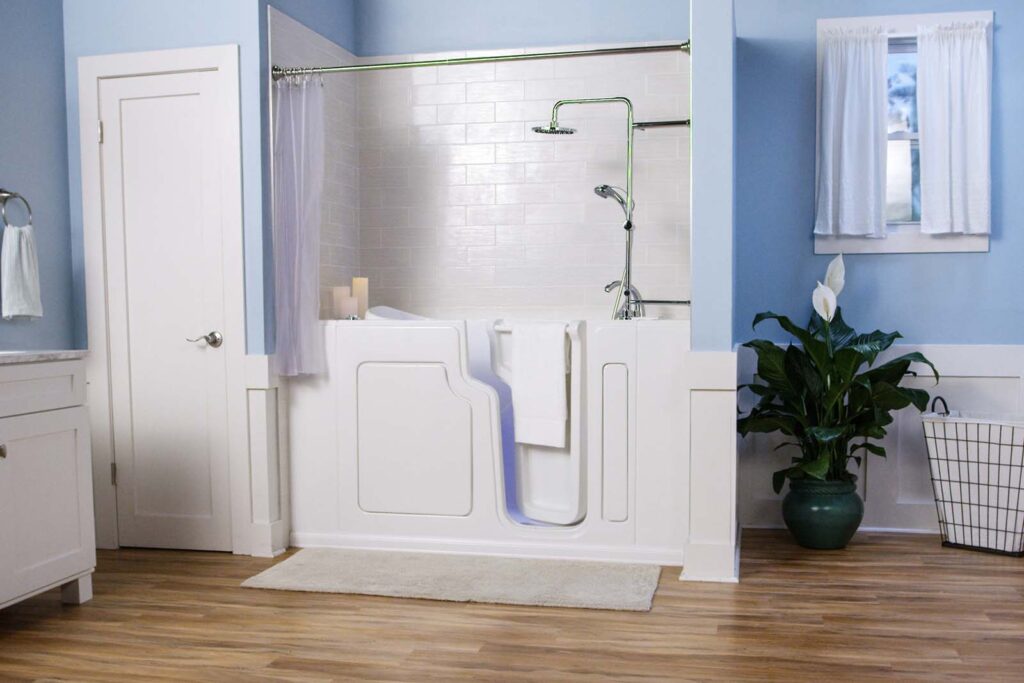
A walk-in tub provides safe, reliable access to bathing without the hazards of a traditional tub. Even with the rising cost of living, Safe Step is committed to ensuring this home upgrade remains attainable.
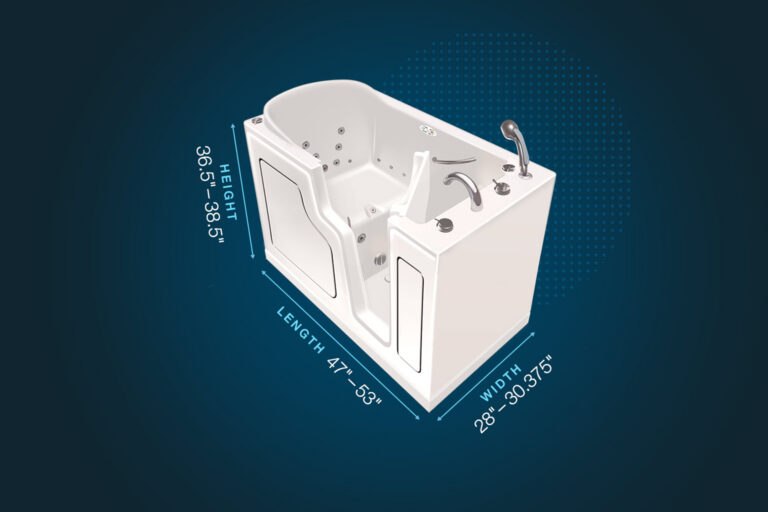
The average cost for a Safe Step Walk-In Tub varies depending on the model you get and the features you choose. Our standard walk-in tub has a low step-in, watertight door seal and built-in seat. A premium tub also includes a bidet and therapeutic features, like aromatherapy and color therapy. Walk-in tub installation is included in your quote, though added flooring reinforcement or plumbing adjustments may incur extra charges.
A Safe Step design specialist will partner with you to find a solution that fits your budget. Fortunately, there are at least seven ways to make the cost of your walk-in tub accessible.
1. Medicaid and Insurance Coverage Options
Medicaid is a state-run program offering free or low-cost healthcare for those who qualify. Through its Home and Community-Based Services waivers, states can offer long-term care for low-income seniors who wish to remain at home rather than move to an institution, covering the cost of a walk-in tub. A Safe Step design consultant can guide you through your state’s specific guidelines.
Original Medicare rarely helps. It covers durable medical equipment like wheelchairs and walkers, but treats a walk-in tub as a comfort item rather than a medical necessity. Some Medicare Advantage plans occasionally include home-safety benefits, though most do not. For the full picture, we provide a complete guide to whether Medicare covers walk-In tubs, then confirm your own coverage with your plan.
2. Grants and Assistance Programs for Walk-In Tubs
There are a number of grants and assistance programs to help facilitate aging in place, depending on prior military service, income level and location.
VA Grants (HISA, SAH, SHA)
The U.S. Department of Veterans Affairs does not offer funding for a walk-in tub, but they do offer three grants that can help pay for a walk-in shower, depending on your disability status.
- HISA: The Home Improvements and Structural Alterations grant is the most relevant grant for a walk-in shower. It covers medically necessary bathroom modifications, like walk-in showers, grab bars, widened doorways and related plumbing. Veterans may qualify for up to $6,800 in lifetime benefits for a service-connected disability or in certain other circumstances. For disabilities that don’t meet those requirements, HISA may provide up to $2,000 in lifetime benefits.
- SAH: A Specially Adapted Housing grant is for veterans with severe service-connected disabilities to make larger home adaptations, up to $126,526 for fiscal year 2026.
- SHA: Veterans with certain service-connected disabilities may apply for a Special Home Adaptation grant of up to $25,349 for the 2026 fiscal year.
Learn more in our guide to Veterans Affairs benefits for walk-in tubs and showers, and confirm eligibility and approved work with the VA before you purchase.
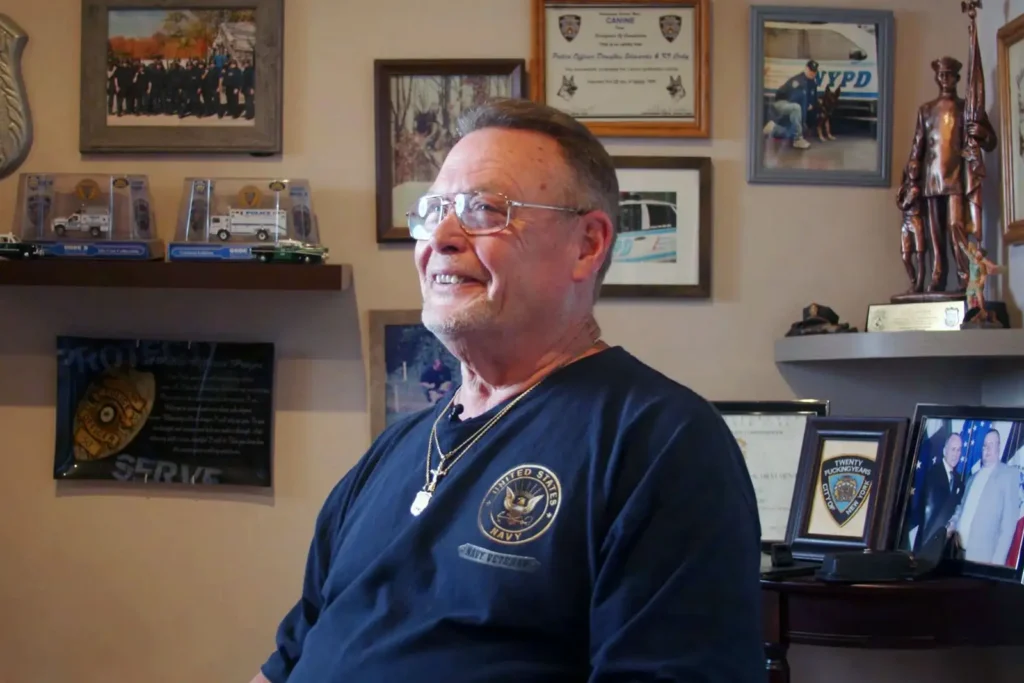
Safe Step is proud to offer special pricing (up to $500 off) for veterans who need financial assistance. Ask your Safe Step representative about our military discount to determine your eligibility.
U.S. Department of Agriculture (USDA) Grants
The USDA offers home repair assistance for low-income seniors in rural areas, including grants of up to $10,000 to remove health and safety hazards and loans of up to $40,000. These seniors can use this assistance to pay for a walk-in tub.
Through its Section 504 Home Repair program, the USDA helps very-low-income rural homeowners remove health and safety hazards. Homeowners age 62-plus may qualify for a grant of up to $10,000 and low-interest-rate loans of up to $40,000, for as much as $50,000 combined.
The grant doesn’t have to be repaid if you stay in the home at least three years, and it can be applied to a walk-in tub. Get more details by connecting with your local USDA office.
Area Agency on Aging
Located across the country, Area Agency on Aging branches advocate for seniors. Your local agency may be able to point you to assistance and grants available in your hometown.
Medicaid HCBS Waivers
Medicaid’s Home and Community-Based Services (HCBS) waiver program sometimes covers specialized medical equipment and home accessibility modifications, like a walk-in tub. The program helps people with significant physical or cognitive limitations access needed services and equipment at home or in their community.
Non-Profit Assistance
Organizations like Rebuilding Together and Habitat for Humanity help seniors and people with disabilities with home safety upgrades.
Our Best Offer Ever Is Back!
$2,000 Off Your Walk-In Tub
+ Free Comfort-Height Toilet*
3. Financing and Payment Plans
If you’d rather spread the cost over time, financing is often an easy option. Safe Step offers payment plans through third-party lenders, including promotional options with no interest if paid in full within the promotional period (subject to credit approval).
When you compare any walk-in tub financing, ask about the APR after any promo period, the monthly payment, the term length and whether there’s a prepayment penalty. Your Safe Step design specialist can walk you through the current options during your free consultation.
4. Potential Tax Deductions
A new walk-in tub may be tax-deductible if it’s considered medically necessary. The IRS allows deductions for special equipment installed in a home as part of Schedule A (see IRS Publication 502) if the cost does not exceed 7.5 percent of your gross income. To qualify, the tub should be doctor-recommended and tied to a health condition, disability or mobility need. Consult your physician or tax professional to confirm eligibility.

5. Home Equity Options
While home equity is creeping down, the average homeowner with a mortgage still has $307,000 of equity in their home. Depending on your age, you may have even more. Nearly 60% of adults between the ages of 65 and 79 do not have a mortgage. If you’re considering tapping into the equity of your home, consult your financial advisor to make sure it’s the best solution.
Home Equity Line of Credit or Loan
A home equity line of credit (HELOC) works like a credit card. It has a variable interest rate, and you can borrow as needed and make interest-only or low payments. With a home equity loan, you borrow a lump sum for your home upgrade with a fixed monthly payment.
Reverse Mortgage
A reverse mortgage can provide supplemental income in retirement. Instead of making monthly payments to a lender like a traditional mortgage, the lender pays you, using the equity you’ve built in your home. You are free to use these funds for living expenses, medical bills, home improvements or anything else.
6. Retirement Savings and Investments
Leverage a portion of your 401K or IRA to purchase a walk-in tub. You can begin accessing funds from your 401K at the age of 59.5 years old without penalty. If you leave or lose your job earlier, you can access it as early as age 55 without penalty. It’s crucial to weigh your finances and discuss these options with a trusted financial advisor.
7. Discounts and Rebates
During your sales consultation, ask your walk-in tub provider if they offer any discounts to offset the cost of your investment. Safe Step’s Blue Rewards Program offers $750 off per person for your walk-in tub or shower. If you suffer from arthritis, nerve problems, diabetes, sciatica or a variety of other health issues, you may qualify for up to a $750 rebate or $1,500 per household. We also offer senior discounts, veteran discounts and more.

Making an Affordable Walk-In Tub a Reality with Safe Step
Safe Step has helped countless families experience safer bathing solutions. Our design specialists can discuss your options to make your walk-in tub affordable, and you can see full walk-in tub pricing before you decide.
Get started to connect with the Safe Step team to reclaim your independence and enhance your daily routine.
Frequently Asked Questions
Yes. A variety of government grants and waiver programs may help cover walk-in tubs, including USDA Section 504, Medicaid HCBS and VA HISA, as well as local and nonprofit assistance programs.
A HISA grant is a VA grant for medically necessary bathroom modifications, including walk-in showers.
Yes, the VA offers grants through HISA/SAH/SHA for eligible veterans to provide assistance with the cost of a walk-in shower.
Third-party financing and payment plans are available, sometimes with no-interest promotional periods.
Not typically. Various grants from the USDA, Medicaid and other discounts can lower your contribution amount.