Best Stairlifts for Seniors: How To Choose One That Fits
In this blog:
- Choose a stairlift that prioritizes safety and comfort. Look for features like swivel seats, obstruction sensors, battery backup and easy-to-use controls.
- Make sure it fits your home and needs. Consider staircase type and dimensions, weight capacity, customization options and installation requirements.
- Look beyond the purchase price. Compare warranties, installation and service costs, financing options and long-term value before choosing a stairlift.
Going up and down the stairs may be something you’ve done thousands of times without a second thought. But as you age, changes in strength, balance and mobility can make stairs more challenging. According to the most recent data, deaths from falls among older adults increased 21 percent from 2018 to 2024.
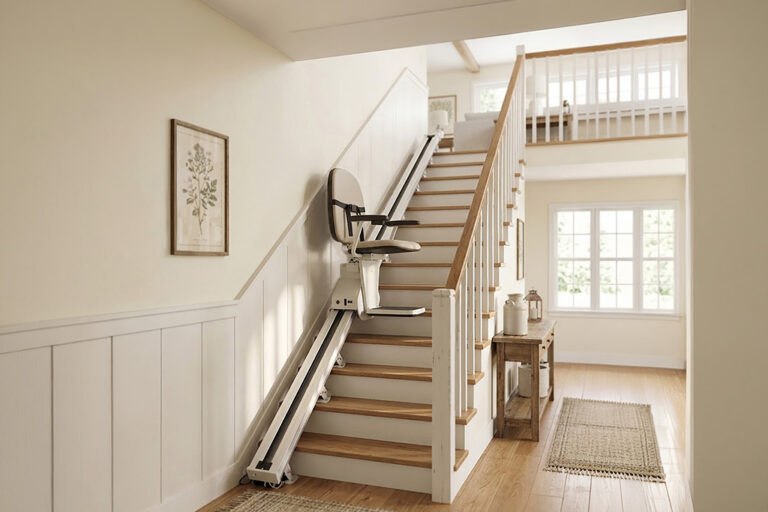
A stairlift can make navigating your home safer and easier while reducing the risk of falls. This guide covers key stairlift features, compares top-rated companies and explores how Safe Step’s free installation and lifetime warranty can add long-term value.
What Makes a Stairlift Right for an Older Rider
Choose a stairlift that comes with the specific features you need to make traveling between floors easier.
| What to Look For | Why It Matters |
|---|---|
| Rated weight capacity | Standard lifts carry 300 – 400 lbs., heavy-duty models up to 600 lbs. The rating includes clothing and anything carried. |
| Swivel seat | Lets the rider turn and step off onto the landing instead of pivoting on a stair tread, which is where transfer falls often happen. |
| Obstruction sensors and soft start/stop | Sensors stop the carriage if something is on a tread. Soft start/stop removes the jolt at each end of the ride. |
| Battery backup | The lift requires a power outlet. Ask how many round trips a full charge gives on your exact model. |
| Fit to your staircase | Straight, curved and L-shaped stairs may need different types of stairlifts. Most straight lifts require 30 – 36 inches of stair width. |
| Warranty on parts and labor | The norm is one to three years on parts, with lifetime coverage limited to the drivetrain. Ask what labor costs after year one. |
What To Consider When Choosing A Stairlift
A stairlift’s features are a good starting point, but choosing the right stairlift comes down to more than a checklist. Take a closer look at the four key considerations that can affect how a stairlift fits into your daily routine.
1. A Safe Ride
Riding a stairlift should be convenient and safe. Most stairlifts include safety belts and other features designed to help protect riders.
Obstruction sensors stop the stairlift if they detect an object in its path. Soft start/stop technology helps the lift accelerate and stop gradually, creating a smoother ride. This motion can be especially important for riders who are sensitive to sudden movement, such as those who recently had a joint replacement or have low bone density.
If hand strength is a concern, having a stairlift with a remote control can make it easier to operate. A Safe Step Stairlift also features a slip-resistant footrest to keep feet securely in place during the ride.
2. Getting On and Off
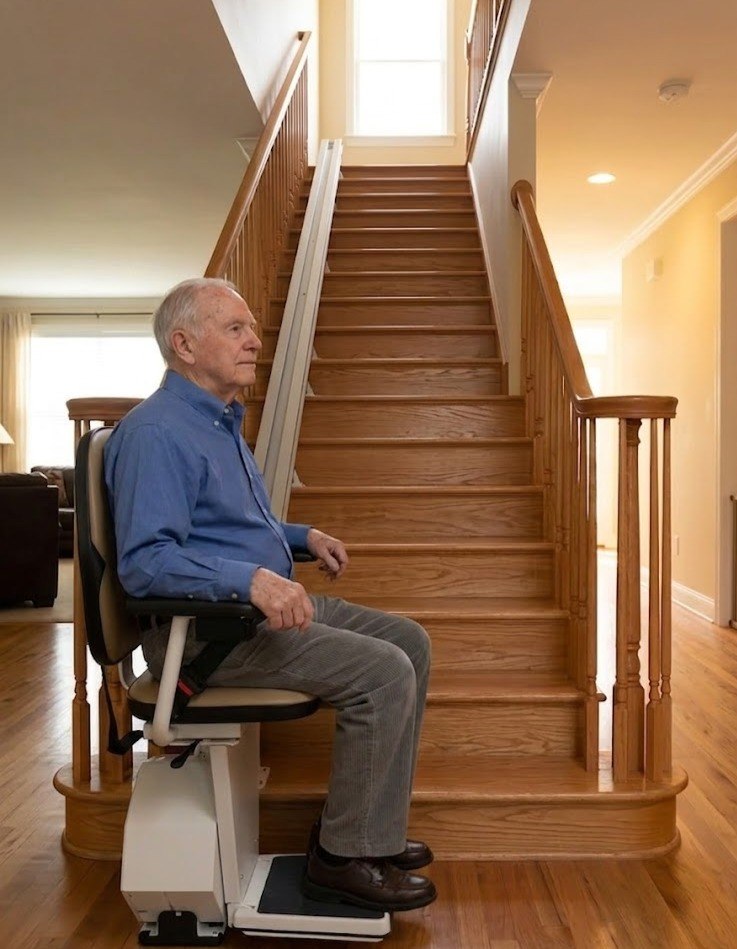
Balance and vision can change with age, making it more difficult to safely sit down or stand up on the stairs. Features like swivel seats and movable armrests can make transfers easier by allowing riders to get on and off from a more stable position. A Safe Step Stairlift comes standard with both features.
3. Fitting the Staircase
Even a highly rated stairlift isn’t the right choice if it doesn’t fit your staircase. Is your staircase straight from top to bottom, or does it include a landing or turn? That distinction can determine whether you need a straight or curved stairlift and can significantly affect the price. Curved stairlifts often need to be custom-designed for the staircase, which typically makes them more expensive.
Most stairlifts require a staircase at least 30 inches wide at its narrowest point. While standard home staircases are typically 36 inches wide, dimensions can vary depending on the age and design of your home.
Staircase angle is also a factor in finding the right stairlift. Some stairlifts better accommodate a steep staircase. Safe Step’s stairlifts can be installed on angles as low as 12 degrees and as steep as 55 degrees.
4. What Happens After the Sale
The service you receive after installation can be just as important as the stairlift itself. Look closely at the warranty to understand what’s covered and who handles service calls. For example, a motor may still be covered in year six, but you could be responsible for the cost of the technician’s visit or labor. Knowing these details up front can help you avoid unexpected expenses later.
Compare Top Stairlift Companies
There isn’t one stairlift that’s best for every home or rider. Comparing weight capacity, warranty coverage, customization, installation and service can help you narrow your options.
| Stairlift Company | Weight Capacity | Warranty* | Notable Features |
|---|---|---|---|
| Bruno | 400 lbs. | Lifetime warranty on major components | Quiet ride and slim rail** |
| Stannah | 350 lbs. | Lifetime warranty on major components | Customization options and comfort* |
| Harmar | 600 lbs. | Two-year warranty | Adjustable seat height** |
| Lifeway Mobility | 600 lbs. | 3-year parts and 1-year labor warranty; manufacturer warranties may also apply | Access to stairlifts from multiple manufacturers, budget-friendly options** |
| Safe Step | 350 lbs. | Lifetime limited warranty on parts with labor included. | Comprehensive warranty coverage and free professional installation |
*Available models, specifications and manufacturer warranties may vary by stairlift provider.
**National Council on Aging
What Drives the Cost of a Stairlift
Stairlift prices can vary based on your home, the type of lift you need and the features and services included with your purchase. Understanding what goes into the total cost can help you compare your options and avoid unexpected expenses. Five factors often impact the cost of a stairlift:
- Type of staircase: While a traditional straight staircase is the most common, an L-shaped or curved staircase may increase the cost.
- Stairlift track length: Although the width of your staircase will not likely impact the price, a longer staircase may require more track, increasing the overall cost.
- Customizations: Options like swivel seats, folding footrests, remote controls and higher weight capacity may add to the price with some companies.
- Installation: Many stairlift companies charge extra for installation. You’ll need to factor this into your purchase decision. Safe Step offers free, professional installation.
- New vs. reconditioned: A refurbished stairlift may cost less up front, but repair costs may add up. For many stairlifts, the warranty only applies to the original purchaser.

Help Paying for a Stairlift
Budget is often top of mind when making home accessibility purchases. For homeowners who want to age in place, a stairlift can be a long-term investment in making more of the home safely accessible.
Before you purchase a stairlift, ask about grants, incentives, rebates and special discounts that may apply.
- Veterans Affairs grants: The Department of Veterans Affairs (VA) offers home adaptation grants to veterans with a qualifying service-connected disability. Stairlifts are not covered by the Home Improvements and Structural Alterations (HISA) program, but other grants may apply. Contact your local VA office to get more information.
- Medical expense deduction: With a physician’s prescription, a stairlift may count toward the IRS medical expense deduction. Be sure to confirm this information with your accountant or financial advisor.
- Financing: Some stairlift companies offer third-party financing for your stairlift purchase. Applicable interest rates will apply.
- Special offers: Stairlift companies occasionally offer discounts or specials. New Safe Step customers receive $750 off plus free professional installation, in select markets for a limited time.
Limited-Time Offer
$750 Off Your Stairlift
+ Free Installation*
Why Homeowners Choose Safe Step
Safe Step has a long history of providing seniors with safer bathing solutions, including walk-in tubs and showers. Our stairlifts help make every floor of your home accessible. We pride ourselves on offering an industry-leading warranty for peace of mind.
Your stairlift journey starts with a free, no-obligation in-home estimate. During this appointment, a stairlift specialist will evaluate your staircase to determine the best stairlift for your home and accessibility needs.
As severe storms become more common, reliable stairlift operation during power outages is essential. Safe Step’s indoor and outdoor stairlifts can make more than 40 round trips without recharging. The lift also recharges as it travels down the stairs, helping reduce battery strain and maximize efficiency.
Frequently Asked Stairlift Questions
Identifying the highest-rated stairlift is challenging because reputable review sites offer a variety of opinions. The best stairlift for you depends on your mobility needs and the specifications of your staircase. An in-home consultation can make it easier to make your decision.
No. Original Medicare treats a stairlift as a home modification rather than durable medical equipment and does not pay for stairlifts. Stairlifts may be covered under a Medicare Advantage plan or count as a medical deduction on your taxes. Contact your benefits provider or financial planner for more details.
Potential disadvantages of a stairlift include the upfront cost, reduced usable stair width and the higher cost of custom models for curved staircases. However, a stairlift can make it easier to age in place safely.