Myth vs. Fact: Planning Your Bathroom for the Future
In this blog:
- Plan before you need it. Future-proofing your bathroom during a remodel gives you more design choices, helps avoid costly retrofits and makes it easier to stay safe and independent.
- Accessibility benefits everyone. Features like walk-in showers, slip-resistant flooring, better lighting and lever-style faucets help people of all ages.
- Don’t rely on Medicare for coverage. Medicare doesn’t cover walk-in tubs and showers, but programs like Medicaid, veterans’ benefits (including HISA) and available discounts may help reduce out-of-pocket costs.
Planning ahead can make creating a safer bathroom much easier. Adding accessibility features during a remodel is usually less expensive and far less disruptive than trying to retrofit your bathroom after an injury or a change in mobility. Before you decide bathroom safety upgrades can wait, explore a few common misconceptions.
Bathroom Planning Myths vs. Facts at a Glance
Bathrooms are one of the most common places for serious falls. Falls are the leading cause of injury for seniors, and at least 80 percent occur in the bathroom. If you’re planning to age in place, safety needs to be part of the conversation from the start.
Let’s separate fact from fiction when it comes to bathroom safety upgrades.
| MYTH | FACT |
|---|---|
| “I’ll make bathroom changes if I ever need them.” | Planning gives you more design options, lowers remodeling costs and creates a bathroom that’s adaptable for the future. |
| “Bathroom safety upgrades are only for seniors.” | Low-threshold tubs and showers, better lighting and grab bars benefit everyone and help you stay independent longer. |
| “I’ll save money by postponing bathroom modifications.” | Planning during a remodel is typically much less expensive than making emergency modifications after a surgery or mobility change. |
| “Accessible bathrooms look clinical and institutional.” | Today’s aging-in-place and universal designs blend safety, comfort and style seamlessly. |
| “Medicare will just pay for it when the time comes.” | Medicare rarely covers bathroom modifications. Planning lets you use financing, rebates and programs on your terms. |
Myth 1: “I’ll make bathroom changes if I ever need them.”
Nearly 70 percent of adults will eventually need some type of bathroom modification to age in place safely. AARP recommends making home modifications before they’re needed, yet many people wait until after an injury or health change to update their bathrooms.
The problem is that bathroom remodels rarely happen overnight. If a fall or mobility change happens unexpectedly, you may be forced to make rushed decisions with fewer design options and your bathroom could be out of commission when you need it most. Planning ahead allows you to create a bathroom that fits your style, budget and long-term needs while avoiding the stress of emergency renovations.
Myth 2: “Bathroom safety upgrades are only for seniors.”
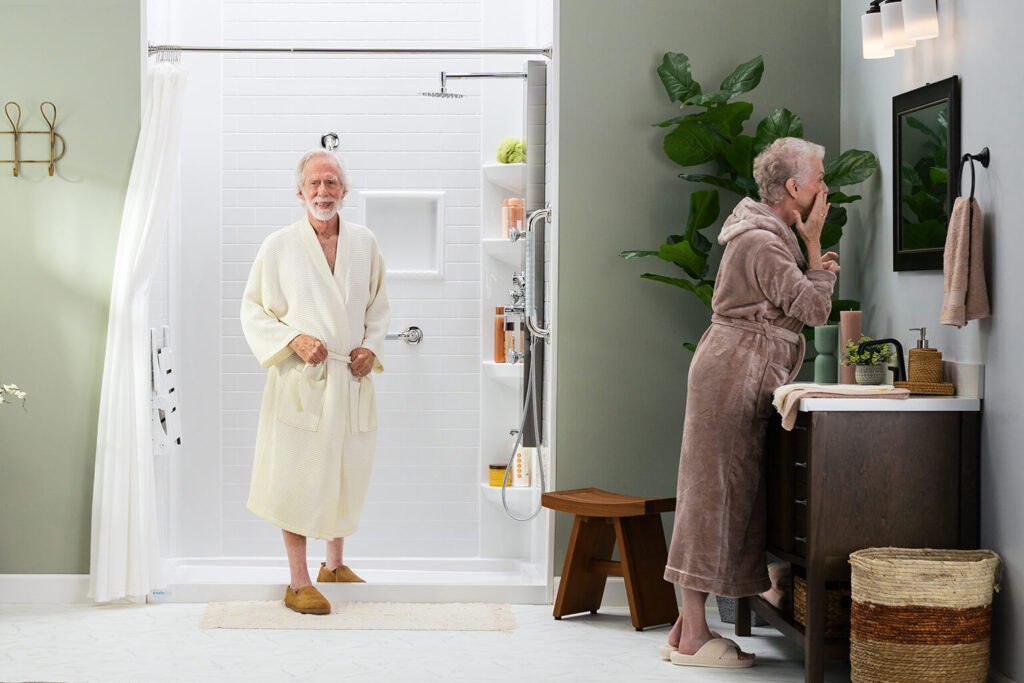
Accessibility features aren’t just for older adults. They can make everyday life easier for just about everyone. From helping young children and pregnant family members to making daily routines easier for someone recovering from surgery or an injury, universal design principles benefit every stage of life. Planning ahead means your bathroom can adapt as your needs change over time.
Many features people already love, like touchless faucets, lever handles and curbless showers, started as universal design ideas.
Myth 3: “I’ll save money by postponing bathroom modifications.”
Waiting often ends up costing more than planning ahead. Early integration of accessibility features can prevent high retrofitting costs. While adding accessibility features during a remodel may slightly increase upfront costs, it’s typically far less expensive than retrofitting the bathroom later.
For example, the cost of adding in-wall blocking for future grab bars is minimal during a remodel, but can run as high as $400 per grab bar after the walls are finished, according to HomeAdvisor. Doing everything at once also means living through one remodel instead of several smaller projects later.
Myth 4: “Accessible bathrooms look clinical and institutional.”
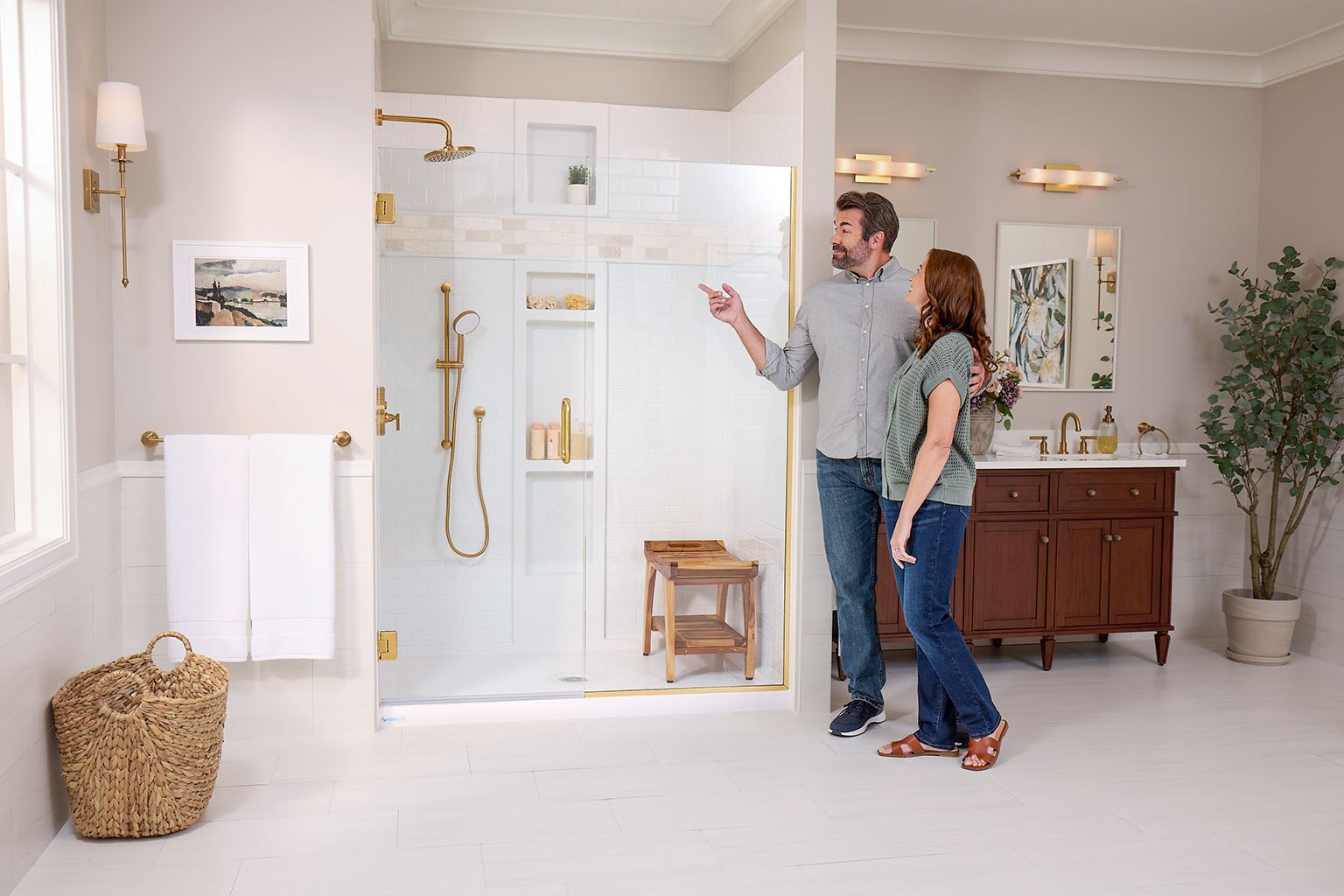
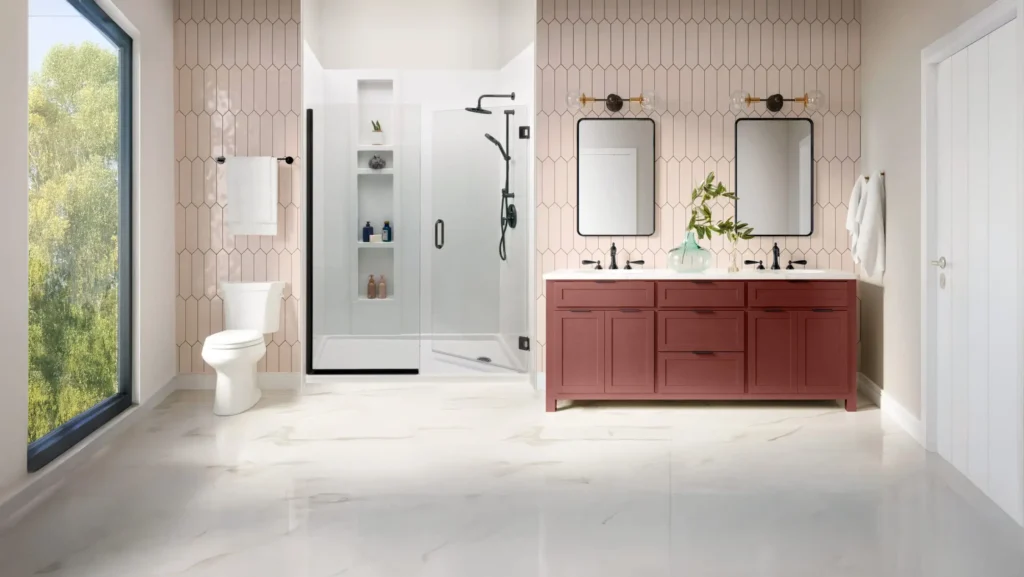
A safer bathroom doesn’t have to look like a hospital room. Today’s walk-in tubs, low-threshold showers and other accessibility upgrades are designed with modern finishes and customizable options that complement a wide range of home styles.
Features like tile surrounds and glass shower doors can create a bright, spa-like space while providing the comfort and accessibility you need. With the right design, your bathroom can feel both beautiful and functional for years to come.
Myth 5: “Medicare will just cover it when I need it.”
Original Medicare doesn’t pay for walk-in tubs because they’re typically classified as home modifications rather than durable medical equipment (DME). While limited exceptions may exist, coverage is uncommon.
That doesn’t necessarily mean you’re paying the entire cost yourself. Depending on your circumstances, Medicaid, veterans’ benefits (including the Home Improvements and Structural Alterations, or HISA, grant) and state or local assistance programs may help reduce costs.
To help make a walk-in tub more affordable, Safe Step offers savings through our Blue Rewards Program and works with trusted organizations, including AARP, that may provide eligible members with discounts, credits or special offers.
Get $1,000 OFF + a FREE Teak Bench
on select models*
Request a free quote today before the offer ends!
What to Future-Proof Now: The High-Value Upgrades
If you’re ready to start planning, here are some high-value upgrades to add, especially if bathroom remodeling is on your list.
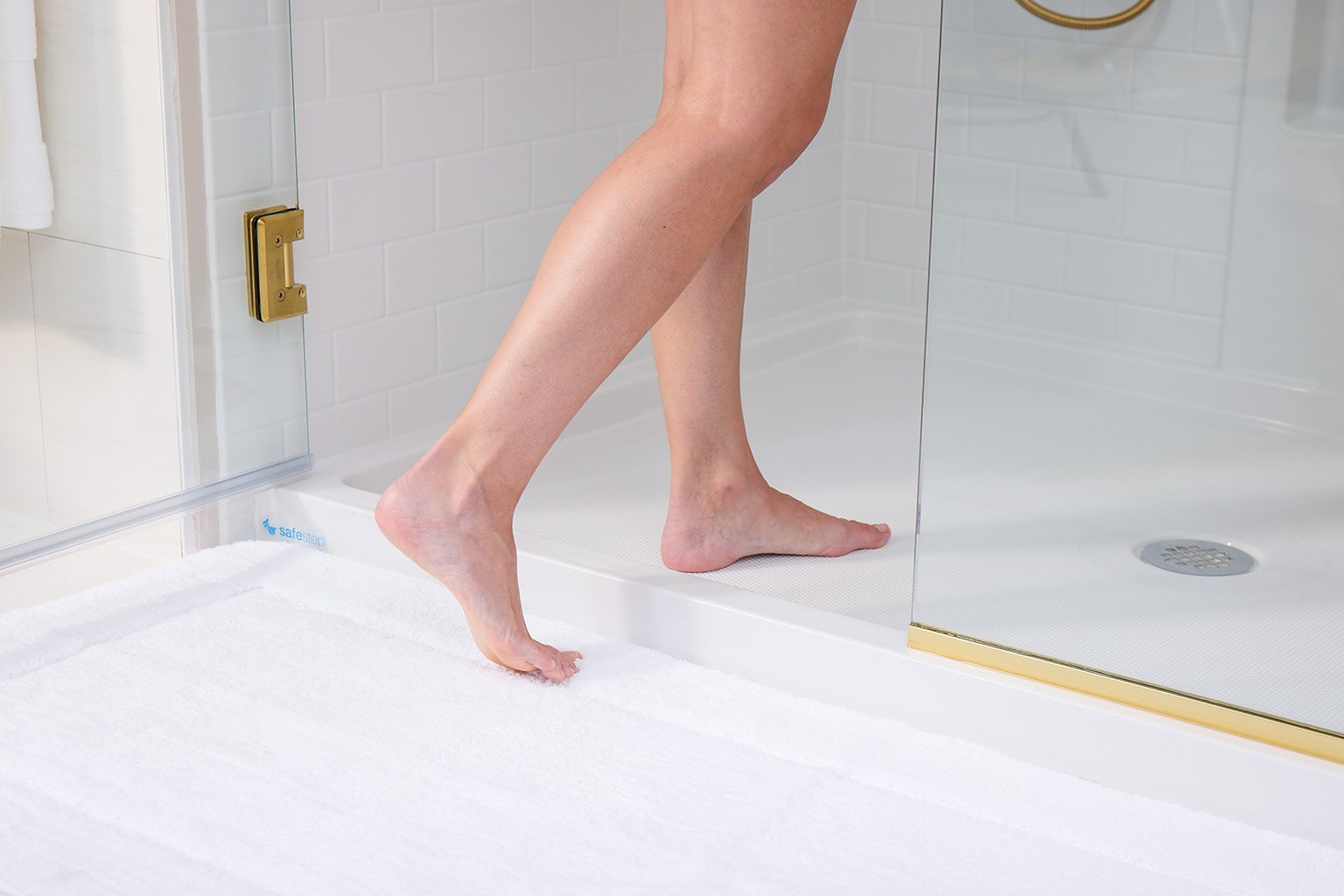
- Slip-resistant flooring: Helps reduce fall risk and requires less maintenance.
- LED lighting: Brighter lighting improves visibility to prevent falls.
- In-wall blocking: Reinforces walls, enabling you to add grab bars when you need them for less.
- Built-in shelving: Keeps essentials within reach, reducing clutter and limiting fall risk.
- Comfort-height toilets: Easier to sit and stand as you cope with arthritis or mobility limitations.
- Lever-style faucets: Easier to operate with arthritis.
- Walk-in tubs or showers: Eliminate the high step over a traditional tub, one of the most dangerous features in your bathroom. It also makes it possible to add a shower bench or built-in wall seating in the future.
Safe Step: Your Aging in Place Partner
Safe Step has nearly two decades of experience helping seniors and people with mobility limitations make their homes more accessible. Our walk-in tubs, showers and stairlifts are made in Tennessee with craftsmanship you can count on. We’re committed to helping people stay in the homes they love for as long as possible, and our industry-leading warranties offer peace of mind on your investment.
If you’re thinking about remodeling your bathroom, a free design consultation can help you explore options that fit your home, budget and long-term goals. Request a free design consultation to learn how you can set yourself up for an independent future.
Frequently Asked Questions
Planning ahead gives you time to make thoughtful choices before mobility or safety becomes an urgent concern. Making bathroom updates early can help you stay independent, reduce fall risks and avoid the stress of last-minute renovations.
Future-proofing, or universal design, means creating a bathroom that’s safe, comfortable and easy to use for people of all ages and abilities. Features like a low-threshold shower or walk-in tub, grab bars and wider doorways can make the space more accessible today while helping you stay independent in the future.
No. Bathroom safety features can benefit anyone, including people recovering from surgery, living with a disability, caring for young children or simply wanting to reduce the risk of slips and falls. Universal design makes the bathroom safer, more comfortable and easier to use for everyone.