Therapeutic Benefits of Walk-In Tubs During Cold Weather
In this blog:
- Warm soaks in walk-in tubs may help ease stiff joints and relax aching muscles.
- Walk-in tubs with heated seats and adjustable massage jets offer added winter comfort.
- Warm the bathroom before using your walk-in tub and keep a towel and robe within reach.
A warm bath sounds inviting on a cold winter day—until you’re shivering in a chilly bathroom, waiting for the tub to fill. For some of the nearly 60 million Americans affected by arthritis, winter can also bring added aches and stiffness.
A more comfortable bathing routine can make winter days a little easier. Explore cold-weather bathing tips and the therapeutic benefits of walk-in tubs to help you enjoy a warm, relaxing soak.
How Walk-In Tubs Make Winter Bathing More Comfortable
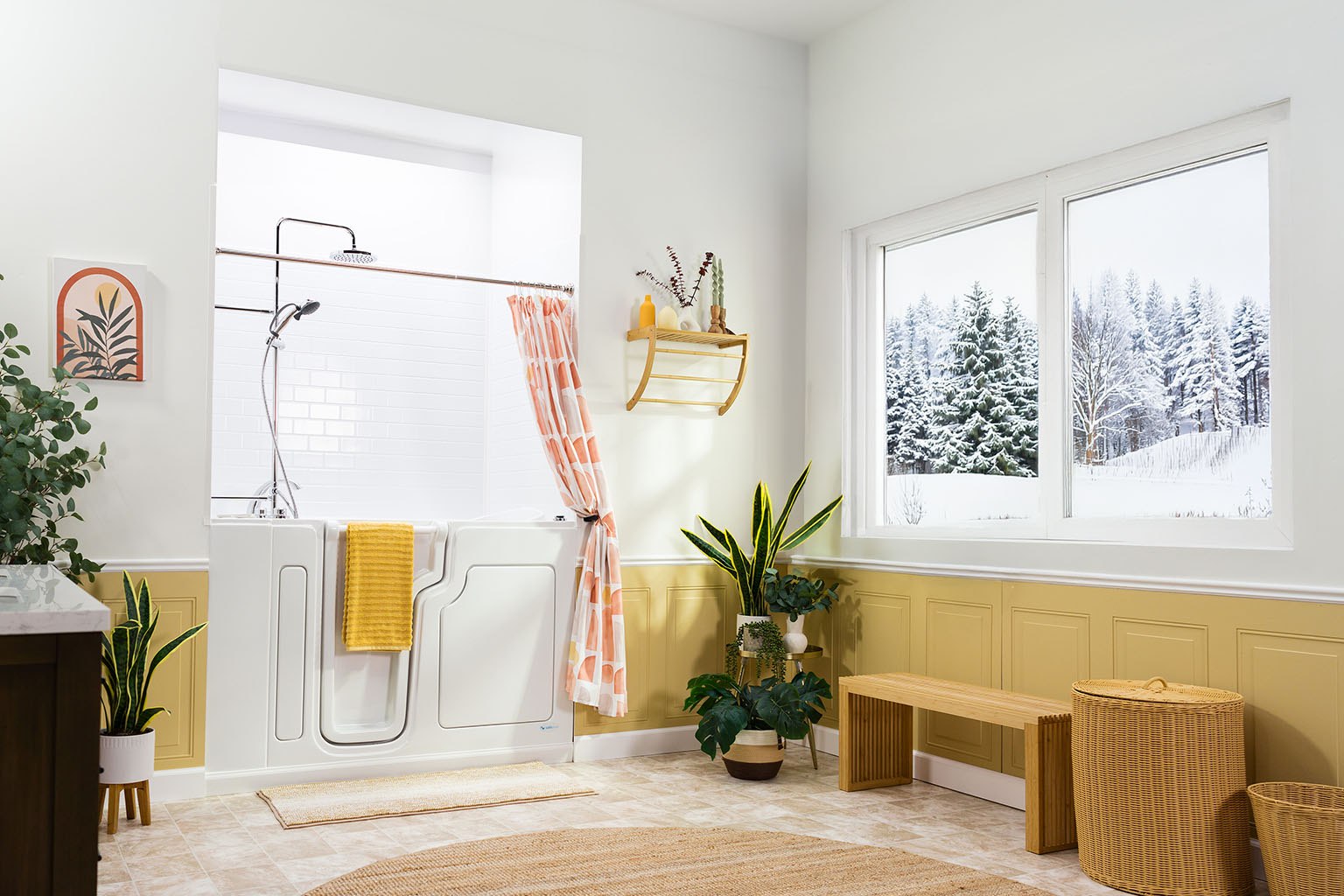
If you’re coping with arthritis symptoms or bumping up the thermostat to ward off the chill, a walk-in tub offers an easy way to get warm and soothe aches and pains. With a traditional walk-in tub, you step in before filling it and wait for the water to drain before you can open the door. Safe Step Walk-In Tubs have features that keep you warm during those waiting periods, making winter bathing more comfortable.
“Not only does the tub allow them to continue their independence with safe mobility, but it also relieves their aches and pains that used to keep them awake and restless most nights,” said Sandra B., a caregiver for her mother and aunt.
Here’s how a bath can help you make the most of winter challenges:
| Winter Challenge | How a Safe Step Walk-In Tub Helps |
|---|---|
| Feeling chilled after spending time outdoors | Soaking in warm water combined with a heated seat and backrest offers added comfort. |
Feeling cold while waiting for the tub to fill | The Rapid-Fill faucet fills the tub up to 20 percent faster than previous models, shortening the wait for your warm bath. |
| Difficulty stepping over a high tub wall | An ultra-low threshold makes entering and exiting easier by reducing the height you need to step over. |
| Increased joint stiffness and muscle discomfort | Ten hydro massage jets with adjustable intensity, speed and angle let you customize your soak for targeted comfort. |
Common Health Challenges During Cold Weather
Staying warm can become harder as people age. Older adults are more likely to have chronic conditions that affect how their bodies respond to cold. Diabetes can impair circulation, making it tough to keep warm, while thyroid problems can interfere with the body’s ability to maintain a normal temperature.
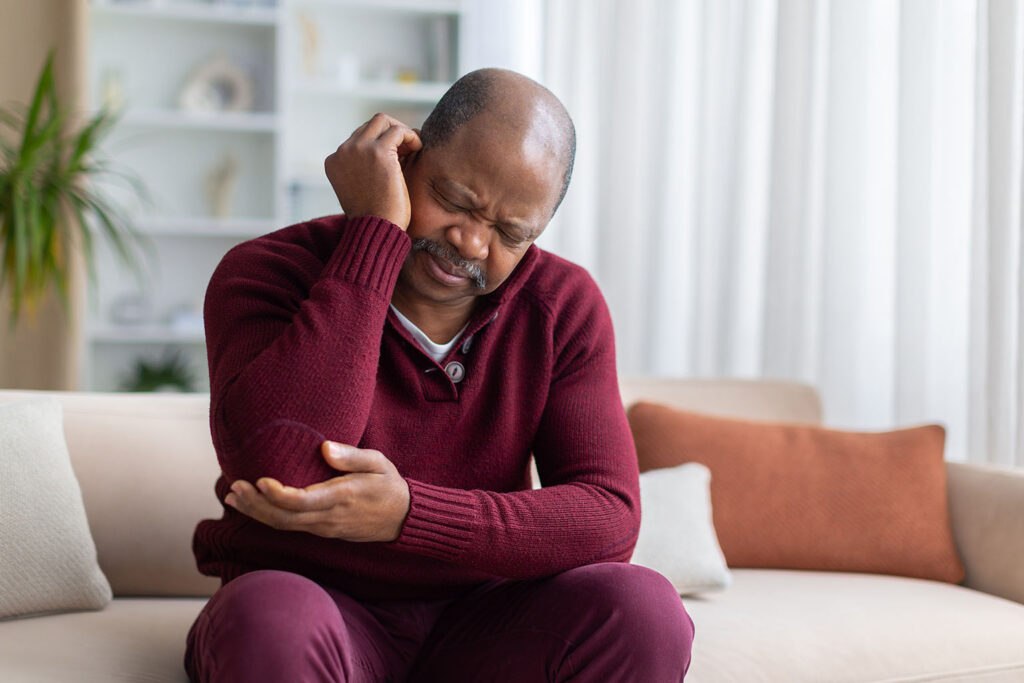
Winter weather can also make existing symptoms more uncomfortable. Some people with arthritis notice increased joint pain and stiffness during colder months. Stiff joints can make everyday tasks, including stepping into and out of a bathtub or. climbing the stairs, more challenging.
Your skin can feel the effects of winter, too. Cold outdoor air and dry indoor heat can increase dryness, itching and irritation, especially for people with eczema or psoriasis.
To combat the winter chill, follow these steps:
- Dress in layers: Wear loose, comfortable layers and cozy socks to help retain body heat, even indoors.
- Turn up the heat: Set the thermostat to at least 68°F and keep a blanket handy when sitting or resting.
- Bundle up: Wear a hat, scarf and gloves when you head outside. Try to keep outdoor trips brief during extremely cold weather.
- Take a bath: A comfortably warm soak can help you unwind and soothe stiff joints and tired muscles.
How a Warm Soak Eases Stiff Joints
A warm bath can help soothe stiff, aching joints. According to the Cleveland Clinic, heat increases circulation, reduces stiffness and improves flexibility, helping ease arthritis symptoms. A walk-in tub with air therapy may even help rejuvenate dry skin.
Keep the water comfortably warm, rather than hot. The Arthritis Foundation suggests temperatures around 92°F to 100°F, and limiting your soak to about 20 minutes. Skip heat when a joint is actively inflamed or recently injured, since increased blood flow can worsen swelling.
Hydrotherapy Offers Targeted Relief
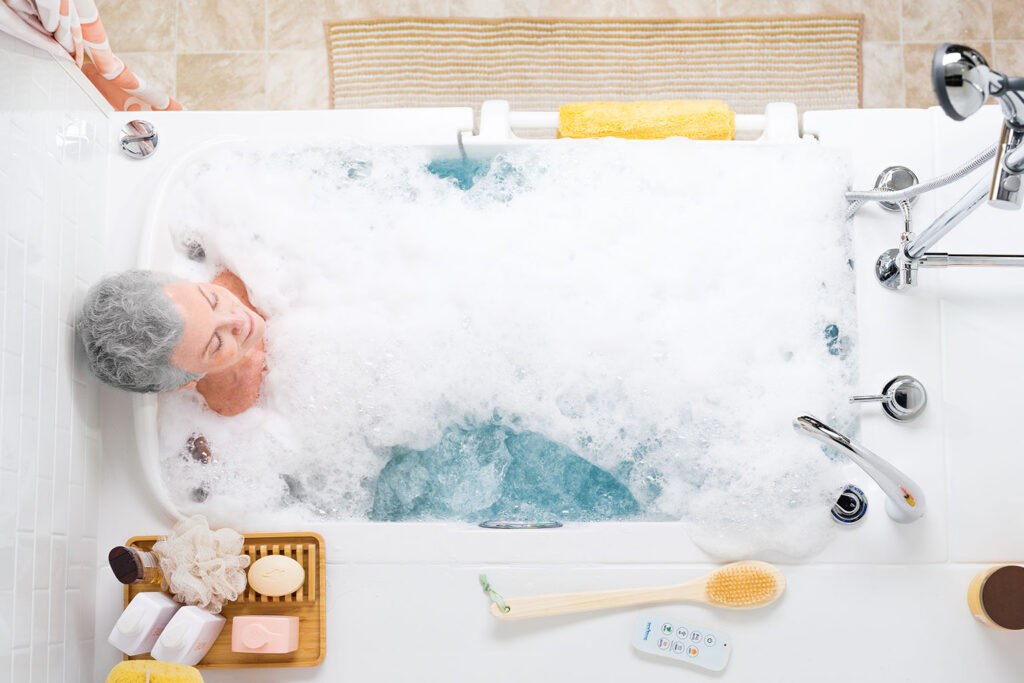
Safe Step walk-in tubs combine low-threshold entry with soothing features to make your bathing routine more comfortable. Safe Step’s 10 hydro massage jets let you direct the massage toward areas that need extra attention for a more personalized soak. The Microsoothe® Air Therapy system surrounds you with tiny bubbles, adding another layer of relaxation to your warm bath.
Tips for Bathing During Cold Weather
A warm soak can be a welcome comfort in winter, but getting into and out of the bath can leave you shivering. Proper preparation and the right tub features can help you stay comfortable before, during and after bathing:
- Warm the bathroom first: Turn up the thermostat about 10 minutes before you start your bath and close the bathroom door to ensure the room gets nice and cozy.
- Preheat your tub’s heated seat: If your walk-in tub has a heated seat and backrest, turn them on before entering, following the manufacturer’s instructions.
- Keep essentials within reach: Place a bathrobe and towel nearby to streamline your routine when you get out.
Make Winter Bathing More Comfortable With Safe Step
Make cold-weather bathing something to look forward to. A Safe Step Walk-In Tub can bring warmth and relaxation to your winter routine.
Made in Tennessee and a recipient of the Arthritis Foundation’s Ease of Use Certification, our walk-in tubs combine soothing features with thoughtful design to make bathing easier and safer.
Request a free consultation today to explore your options and get started.
Frequently Asked Questions
Yes. Warm baths can temporarily ease arthritis pain and stiffness by increasing blood flow and relaxing surrounding muscles. This may offer welcome comfort when joints feel achier in cold weather. Keep the water comfortably warm—around 92°F to 100°F—and soak for about 20 minutes. The Arthritis Foundation recommends avoiding heat on swollen or inflamed joints, as it can make swelling worse.
Cold weather can make joints feel achier and stiffer for some people. Researchers haven’t established exactly why, but changes in air pressure may affect tissues around joints, while reduced activity during winter can contribute to stiffness.
For a soothing soak, aim for water around 92°F to 100°F and soak for about 20 minutes, according to the Arthritis Foundation’s guidance. The water should feel comfortably warm, rather than hot.