How Medicare Helps With Home Modifications and Aging in Place

In this blog:
- Medicare supports aging in place by covering medically necessary in-home care, therapy and durable medical equipment.
- Home modifications generally aren’t covered. Medicare typically doesn’t pay for walk-in tubs, low-threshold showers, grab bars or other accessibility upgrades.
- Some Medicaid programs, VA benefits and other assistance programs may help cover home safety modifications.
At least 75 percent of adults aged 50 and older want to remain in their current home as they grow older. Medicare helps seniors stay independent by covering certain medically necessary in-home care and equipment, but it generally does not cover home modifications.
Get more details on aging in place, Medicare coverage and other ways to help fund a safer home.
What Does Aging in Place Mean?
Aging in place means staying in your own home safely and comfortably as you get older, instead of moving to assisted living or a care facility. People strive to age in place for a variety of reasons.
- Independence: Staying at home allows people to maintain more control over their daily lives.
- Quality of life: Home is a familiar environment filled with memories and established routines.
- Community connection: Aging in place can help people remain close to friends, neighbors and trusted service providers.
- Avoiding or delaying a move: Many people would rather adapt their current home than pay the ongoing costs associated with moving or assisted living.
One in four seniors falls each year, and many of these accidents happen at home. Yet only 40 percent of homes are designed with safety in mind.
To continue living independently, it may become necessary to add accessibility features to improve your comfort and confidence during your everyday routines. Many seniors add safer bathing solutions, extra lighting, grab bars or stairlifts as their mobility needs change.
“I was thrilled to get an earlier installation for my Safe Step [Walk-In Tub],” said Hope, a Safe Step customer in Rincon, Georgia. “Now I feel much safer not having to step over the high and wide entrance of my previous tub.”
What Medicare Covers To Help You Age in Place
President Lyndon B. Johnson signed Medicare into law in 1965 to provide seniors with more reliable access to health insurance, regardless of income or physical condition. The broad eligibility and financial protection are vital for the more than 66 million Americans on Medicare.
At age 65, seniors can choose between government-run Original Medicare or Medicare Advantage. Offered by private companies since the late 1990s, Medicare Advantage bundles your benefits into a single plan that typically features lower monthly premiums and fixed copays. It often includes added coverage for vision, hearing and dental services.
Here’s a snapshot of how Original Medicare helps people age in place:
| Original Medicare Usually Covers | Original Medicare Usually Does NOT Cover |
|---|---|
| Skilled nursing (part-time/intermittent) | Home modifications (ramps, grab bars, walk-in tubs) |
| Physical, occupational, speech therapy | Custodial care on its own (bathing, dressing, eating) |
| Home health aide (with skilled care) | 24-hour, around-the-clock home care |
| Durable medical equipment (walkers, wheelchairs, beds) | Bathroom remodeling or general renovations |
Source: Medicare Rights Center
Does Original Medicare Pay for Home or Bathroom Modifications?
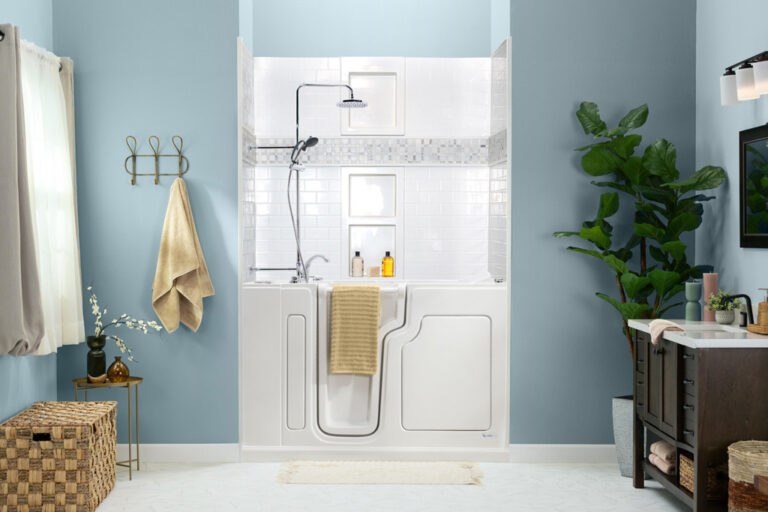
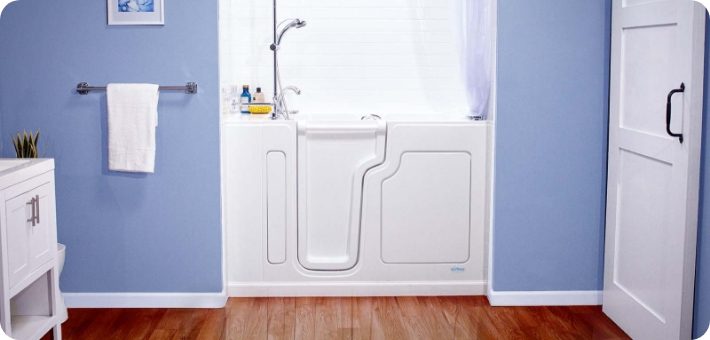
Original Medicare may cover qualifying durable medical equipment (DME), such as walkers, wheelchairs and hospital beds, when Medicare’s coverage requirements are met. It does not cover bathroom safety upgrades. For example, Medicare does not cover walk-in tubs or low-threshold showers.
These bathing solutions are considered home modifications or “comfort items,” even though they can help reduce fall risk. It also does not cover grab bars, shower seats or raised toilets.
Your Medicare Advantage Plan May Help
Medicare Advantage plans have more flexibility in the benefits they offer and may cover certain home safety devices. These benefits are still the exception, not the rule, and vary by plan.
In 2026, only about 21 percent of individual Medicare Advantage plans offer coverage for bathroom safety devices. We recommend connecting with your plan administrator to determine eligibility, and ensure you are fully prepared for open enrollment.

Other Ways To Pay for Home Modifications
Even though you may not be able to rely on Medicare to make your home more accessible, there are a variety of other programs and services you can turn to for assistance.
Medicaid
Medicaid is a state-administered program that assists low-income individuals. Through Home and Community-Based Services (HCBS), eligible seniors may receive help with home modifications that allow them to remain at home. Details vary by state.
Veterans Affairs
Veterans may qualify for several different grants to help make their homes more accessible. The Home Improvements and Structural Alterations (HISA) grant covers medically necessary modifications, including walk-in showers, ramps, lowering counter heights and more.
HISA grants provide up to $6,800 in lifetime benefits for a service-connected disability or in certain other circumstances. For disabilities that don’t meet those requirements, HISA may provide up to $2,000 in lifetime benefits.
U.S. Department of Agriculture (USDA)
The USDA Section 504 program helps very-low-income rural homeowners, with grants up to $10,000 for those age 62 and older and loans up to $40,000.
Area Agencies on Aging
Your local Area Agency on Aging can point you to state and local programs. Find yours through the Eldercare Locator.
Our Best Offer Ever Is Back for a Limited Time
$2,000 Off Your Walk-In Tub + Free Comfort-Height Toilet!*
Request a free quote today!
How Safe Step Helps You Age in Place
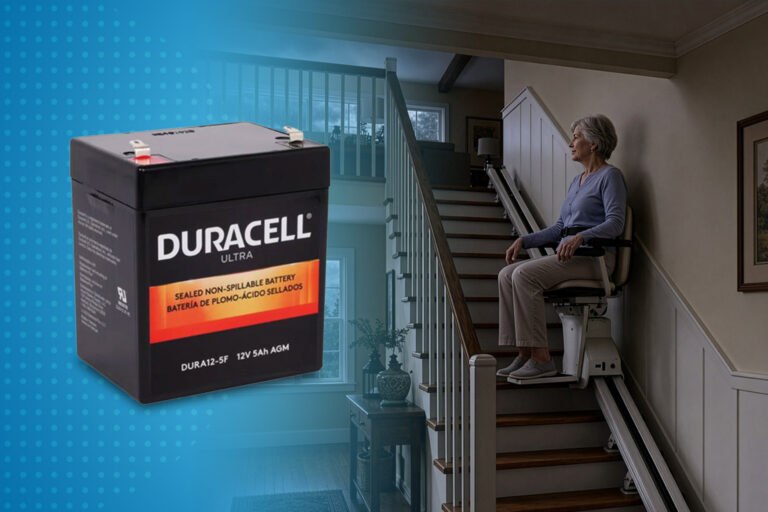
Medicare may not pay for a safer bathroom or an easier way up the stairs, but you still have options. Safe Step offers walk-in tubs and showers designed to make bathing safer and more accessible, and stairlifts to help you access every floor of your home.
We believe everyone should be able to enjoy a safer home. That’s why we offer financing and special discounts to help as your mobility needs change.
Request a free, no-obligation quote to explore your options with a Safe Step representative.
Frequently Asked Questions
Medicare helps with aging in place by covering medically necessary in-home care, such as skilled nursing, therapy and durable medical equipment. It does not pay for home modifications or for custodial care on its own.
Original Medicare generally does not. It treats bathroom modifications, such as grab bars, walk-in tubs and roll-in showers, as home improvements rather than medical care, so it does not cover them. In limited cases, a Medicare Advantage plan may provide some coverage, depending on your plan. Check with your plan administrator for further details.
Some Medicare Advantage plans offer supplemental benefits for home safety devices or modifications, but coverage and eligibility vary by plan.